
Planning Your Visit to Siem Reap
Siem Reap is one of Southeast Asia’s most rewarding destinations. Home to the ancient temples of Angkor, a vibrant food scene, warm and welcoming people, and experiences that range from world-class luxury to authentic village life, it has something for every kind of traveler. These are the questions we get asked most often. Read through before you go and you will arrive prepared, confident, and ready to make the most of it.
For more detail on specific topics check out our Siem Reap Guide.
Planning Your Stay
How far in advance should I book my stay in Siem Reap? High season runs from November to April when the weather is dry, cooler, and perfect for exploring the temples. During this period book at least three to six months ahead, particularly for well-reviewed guesthouses and boutique properties which fill quickly. Christmas, New Year, and Khmer New Year in April are the busiest periods and can require booking up to a year in advance. The Water Festival (Bon Om Touk), usually in November, is one of Cambodia’s most spectacular celebrations and draws large crowds to Siem Reap. If you can time your visit to coincide with it, do. Just book early.
Is Siem Reap busy only in high season or are there tourists year round? Siem Reap welcomes visitors year round and for good reason. High season brings the largest crowds and the most reliable weather. Low season runs from May to October during the monsoon months and has its own distinct appeal. The temples are quieter, the surrounding countryside turns a vivid green, and accommodation rates drop significantly. Many experienced travelers prefer low season for a more personal and atmospheric experience. The trade-off is higher humidity and afternoon rain showers, though these rarely last long and often make for dramatic skies over Angkor.
Is it worth visiting Siem Reap in the wet season? Absolutely, if you go in with the right expectations. Wet season rains typically arrive in the afternoon or evening, cool everything down, and clear within a couple of hours. The moats surrounding Angkor Wat fill with water creating stunning reflections that dry season visitors never see. Crowds thin out considerably and you will have moments at major temple sites almost to yourself. Bring light rain gear, good insect repellent, and an open mind. The rewards are genuine.
Do I need to speak Khmer to get around Siem Reap? Not at all. English is widely spoken throughout Siem Reap in restaurants, guesthouses, tour operations, and shops. That said, a few words of Khmer will earn you genuine warmth from locals. “Arkoun” means thank you. “Sous sdei” is hello. “Som toh” is sorry or excuse me. Cambodians are consistently ranked among the friendliest people in Southeast Asia and even the most fumbled attempt at the language is met with encouragement and smiles.
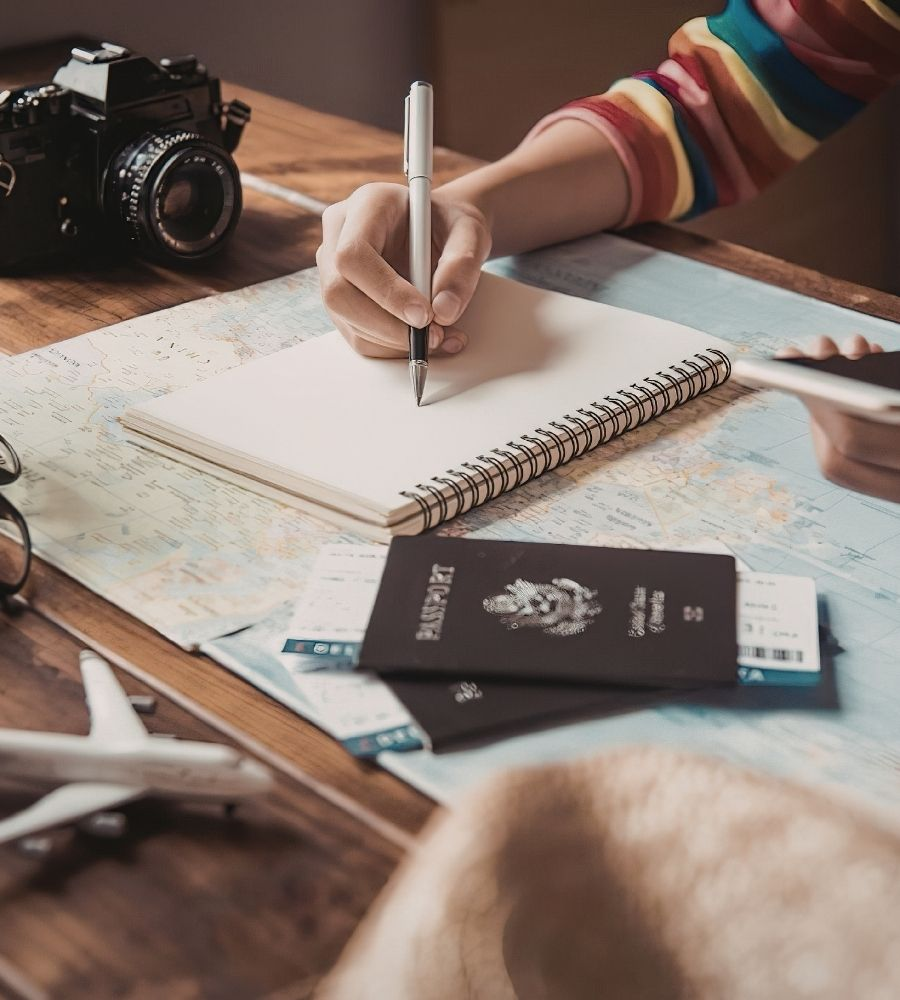
Do I need a visa to visit Cambodia? Most nationalities can obtain a Cambodian e-visa online before traveling, which is straightforward and takes a few days to process. The cost is around $36 USD. Visa on arrival is also available at Siem Reap airport for most passport holders at a similar cost. Cambodia makes entry genuinely easy compared to many countries in the region. Check the requirements for your specific nationality before traveling and make sure your passport has at least six months validity remaining.
What is the currency in Siem Reap and do I need local currency? Cambodia uses the Cambodian Riel but US dollars are used for the vast majority of transactions in Siem Reap. Prices are quoted in dollars, accommodation is billed in dollars, and most restaurants and shops price in dollars. Small change is often given in riel. Having a supply of small denomination US dollar bills is the most practical approach. Thai Baht is occasionally accepted but not reliably. The system works smoothly once you understand it and most visitors find it simpler than expected.
Is the water safe to drink in Siem Reap? Tap water is not safe to drink. Bottled water is inexpensive and available everywhere. Most guesthouses and hotels provide complimentary bottled water and many higher end properties have filtered water systems. Restaurants and established bars use purified water for cooking and ice so you can enjoy your drinks without concern. If you are unsure about ice or water at any venue, ask. It is a completely normal question and staff will answer honestly.
How do I wash fruit and vegetables? Use bottled or filtered water to rinse fresh produce. Vegetable wash solutions are available in supermarkets and pharmacies throughout Siem Reap. Most rental properties with kitchens have filtered water systems suitable for washing produce. Fresh fruit from markets is one of the great pleasures of being in Cambodia so do not let this put you off. Mangoes, dragon fruit, rambutan, and fresh coconut are everywhere and extraordinary.
How many people live in Siem Reap? Siem Reap city has a population of approximately 250,000 people, though this fluctuates with tourism seasons and the movement of workers in and out of the area. The greater Siem Reap province has a population of around one million. The city has grown remarkably fast over the past two decades, transforming from a small provincial town into a thriving international destination while retaining much of its Cambodian character and charm.
Are the local people of Siem Reap welcoming to tourists? Genuinely and consistently yes. Cambodians are known throughout Southeast Asia for their warmth and hospitality and Siem Reap locals are no exception. Tourism is central to the local economy and most residents take real pride in sharing their city and culture with visitors. A little courtesy, patience, and an attempt at a Khmer greeting will be met with enthusiasm. Cambodians have a remarkable resilience and generosity of spirit that tends to leave a deep impression on visitors. Many people come to Siem Reap once and find themselves coming back.
Are there hotels in Siem Reap? Siem Reap has accommodation for every budget and taste. World-class luxury resorts sit alongside boutique guesthouses, budget hostels, and private villa rentals. The area around Pub Street and the Old Market is the most central and lively. Quieter and more atmospheric options can be found further out toward the temple complex or along the river. Whatever your budget, you will find something genuinely good here.
Should I bring a bicycle? No need. Bicycles are widely available for hire throughout Siem Reap and are one of the best ways to explore the Angkor temple complex at your own pace. Motorbikes, e-bikes, and electric scooters are also available for rent. Cycling through the temple complex at sunrise with almost no one around is one of the great travel experiences in Asia and requires nothing more than a hired bike and an early alarm.
What can I bring to help the local community in Siem Reap? The most impactful thing you can do is spend your money thoughtfully. Eat at locally owned restaurants, buy from Cambodian artisans, hire local guides, and choose tour operators who invest in their communities. If you want to donate goods, contact established NGOs directly before bringing anything to find out what is genuinely needed. School supplies and books in Khmer are commonly welcomed. Be cautious of orphanage visits and voluntourism operations. See our responsible tourism section below for more on this important topic.
Visas and Entry
How do I get a visa for Cambodia? Cambodia offers one of the most straightforward visa processes in Southeast Asia. Most nationalities can apply for an e-visa online at evisa.gov.kh before traveling. The process takes a few minutes to complete and approval usually arrives within three business days. The cost is around $36 USD. Visa on arrival is also available at Angkor International Airport for most passport holders at a similar cost. Make sure your passport has at least six months validity from your date of entry. Cambodia genuinely wants you here and makes the process easy.
Are there any entry requirements beyond a visa? Beyond a valid passport and visa, Cambodia does not currently impose specific health entry requirements for most travelers, though these can change. Check the latest requirements with your country’s foreign affairs department or the Cambodian embassy before traveling. Travel insurance is not a legal requirement but is strongly recommended.
Transportation
Is there an airport in Siem Reap? Yes. Angkor International Airport (IATA: SAI) is Siem Reap’s main airport, located approximately 50 kilometers northeast of the city center. It handles direct connections from Bangkok, Singapore, Kuala Lumpur, Ho Chi Minh City, Phnom Penh, and a growing number of regional hubs. The airport is modern and well equipped with duty-free shopping, dining, and SIM card counters in the arrivals hall.
How far is the airport from the city center? Angkor International Airport is approximately 50 kilometers from the city center. The journey takes between 50 and 90 minutes depending on your mode of transport. An airport shuttle bus runs daily from 09:30 to 22:00 for $8 USD, dropping at 7 Makara Street near the Old Market. Taxis cost $25 to $30 USD and take 50 to 60 minutes. Tuk tuks cost $15 to $25 USD and take 75 to 90 minutes. Many hotels offer airport transfer services which can be arranged in advance.
How much does a taxi or tuk tuk cost from the airport? A tuk tuk from the airport to the city center costs $15 to $25 USD and takes 75 to 90 minutes. A taxi costs $25 to $30 USD and takes 50 to 60 minutes. The Grab app operates in Siem Reap and offers fixed transparent pricing. Agree on a price before getting into any vehicle if not using an app.
Are there buses to and from Siem Reap? Yes. Several reputable bus companies connect Siem Reap to Phnom Penh, Bangkok, Ho Chi Minh City, and other regional destinations. The journey to Phnom Penh takes approximately six hours on comfortable air-conditioned coaches. Giant Ibis and Mekong Express are among the most reliable operators with good safety records and punctual service. Book in advance during high season.
Can I rent a car in Siem Reap? Self-drive rental is uncommon and not recommended for most visitors. Road conditions and local driving patterns can be challenging for those unfamiliar with the region. Hiring a car with a driver is affordable, practical, and gives you flexibility without the stress. Tuk tuks, e-bikes, and bicycles are the most enjoyable ways to explore the city and temple complex.
How do I get around Siem Reap? Tuk tuks are the most popular option for visitors and are found throughout the city particularly around the Old Market, Pub Street, and major hotels. The Grab app operates in Siem Reap and allows you to book tuk tuks and cars at a fixed price which removes the need to negotiate. For the temples, bicycles and e-bikes offer a freedom and intimacy that motorized transport cannot match. Most visitors end up using a combination of all three.
Is there a gas station in Siem Reap? Yes. Several petrol stations operate in and around the city. Small roadside stalls selling fuel in bottles are common outside the center, though quality can vary. If you are hiring a motorbike or scooter, use a proper petrol station where possible.
In Town
Are there grocery stores in Siem Reap? Yes. Siem Reap has well-stocked supermarkets including Lucky Supermarket and Angkor Market carrying both local and imported products. Fresh produce markets operate throughout the city and are a joy to explore even if you are not cooking. The Old Market area has stalls selling fresh fruit, spices, snacks, and local ingredients. Siem Reap’s food supply is excellent and you will not struggle to find what you need.
Are there places of worship in Siem Reap? Theravada Buddhism is the heart of Cambodian spiritual life and active wats (Buddhist temples) are found throughout Siem Reap. Wat Bo and Wat Preah Prom Rath are among the most visited and both welcome respectful visitors. There are also Christian churches, a mosque serving the Cham Muslim community, and Hindu influences visible throughout the Angkor temple complex which predates the country’s conversion to Buddhism.
Is there nightlife in Siem Reap? Yes and it is genuinely good. Pub Street is the center of the action with bars, restaurants, and clubs open late. Beyond Pub Street there are rooftop bars with views over the city, live music venues, night markets, and cultural performances. Apsara dance shows, which tell stories from ancient Khmer mythology through elaborate costumed performance, are one of the highlights of any visit and should not be missed. Siem Reap nightlife is lively without being overwhelming and there is something for every mood.
Is there cell phone reception in Siem Reap? Yes. Mobile coverage is good throughout the city and reasonable around the main temple sites. Local SIM cards are inexpensive and easy to purchase at the airport or in town. Smart, Cellcard, and Metfone are the main local providers. A local SIM with a data plan is the most practical and affordable way to stay connected during your visit.
Is there WiFi in Siem Reap? WiFi is widely available in guesthouses, hotels, cafes, and restaurants. For reliable connectivity a local SIM with a data plan is the most dependable option. Siem Reap has a growing digital nomad community and coworking spaces have expanded to meet demand, offering fast connections and good working environments if you need to work during your stay.
How do I call internationally from Siem Reap? The easiest and cheapest option is WhatsApp, Messenger, or a similar app over WiFi or mobile data, which most visitors use exclusively. If calling from a local SIM, standard international dialing codes apply. To call the US dial 001 followed by the full number. To call the UK dial 0044. Your accommodation can advise on the best approach for your destination.
ATM and Money
Are ATMs safe in Siem Reap? ATMs are widely available and most visits are completely uneventful. Use machines attached to established banks rather than standalone ATMs where possible. ABA Bank, Acleda, and Canadia Bank are among the most reliable. As a general precaution inspect the machine before use, cover your PIN, and inform your home bank of your travel plans before departing to avoid your card being blocked. Having a backup card stored separately from your main wallet is always sensible when traveling.
Is there a bank in Siem Reap? Yes. Siem Reap has branches of all major Cambodian banks including ABA, Acleda, Canadia, and Canada Bank. Most are open Monday to Friday and Saturday mornings. ATMs are available outside banking hours. ABA Bank in particular has a strong reputation for reliability and a good app for managing transfers if you bank with them.
Where can I exchange money in Siem Reap? Money exchange services are available at the airport, banks, and licensed exchange counters throughout the city. The Old Market area has several exchange booths with competitive rates. Because US dollars are so widely accepted in Siem Reap many visitors find they rarely need to exchange currency at all. Small riel notes are useful for minor purchases and tipping.
Can I use US dollars in Siem Reap? Yes, almost universally. US dollars are the de facto currency for most transactions in Siem Reap. Accommodation, restaurants, tours, and shopping are all routinely priced and paid in dollars. Small change is often returned in riel. Having a supply of small dollar bills, ones and fives in particular, makes daily transactions smooth and easy.
Tipping
Is tipping expected in Siem Reap? Tipping is not a deeply embedded cultural tradition in Cambodia the way it is in some Western countries, but it is warmly appreciated and has become more common as the tourism industry has grown. As a general guide, $1 per person at restaurants is appreciated, rounding up tuk tuk fares is common, and $1 to $2 per day for hotel housekeeping is a meaningful gesture. For guides and drivers who have given excellent service, $5 to $10 is generous and genuinely impactful. Spa and massage workers are typically tipped 10 to 15 percent. Nobody will be offended if you do not tip, but for workers in the hospitality industry it makes a real difference.
Temple Etiquette
Are there rules for visiting Angkor Wat and the other temples? Yes, and they are taken seriously. Angkor Wat is a functioning religious site and a place of profound cultural significance to Cambodians. Dress modestly with shoulders and knees covered at all times. Lightweight scarves and cover-ups are inexpensive and available throughout Siem Reap if you need them. Remove shoes before entering shrine areas. Do not climb on structures that are marked as off limits, many of which were closed following accidents. Do not touch or lean against carvings and bas-reliefs. Speak quietly and be mindful of worshippers. Visitors who do not meet the dress code are turned away at the entrance with no exceptions. Respecting these rules is not just a formality. These temples represent over a thousand years of Khmer civilization and treating them accordingly is the least we can do as guests.
What time should I visit Angkor Wat? Sunrise at Angkor Wat is one of the most iconic experiences in Southeast Asia and genuinely lives up to its reputation. Arrive by 5:00 AM to secure a good position at the reflecting pools. Beyond sunrise, visiting the main temples early in the morning before 9:00 AM or in the late afternoon after 3:00 PM gives you the best experience with fewer crowds and better light. The middle of the day is hot and busy. Plan accordingly and you will have an extraordinary time.
Do I need to buy a temple pass? Yes. An Angkor Archaeological Park pass is required and must be purchased officially at the Angkor Enterprise ticket office on the road to the temples. One day passes cost $37 USD, three day passes $62 USD, and seven day passes $72 USD. Do not buy passes from anyone other than the official ticket office. Counterfeit tickets do circulate and are confiscated at the gate without refund.
Responsible Tourism
What should I know about responsible tourism in Siem Reap? Siem Reap has been one of the fastest growing tourism destinations in Asia and that growth has brought both opportunity and challenges for the local community. Spending your money at locally owned businesses, hiring Cambodian guides, eating at family run restaurants, and buying directly from artisans are all simple ways to ensure your visit has a positive impact.
What is the issue with orphanage tourism in Cambodia? This is important. Cambodia has a well-documented problem with fake orphanages that exploit children for tourist income. Research has shown that the majority of children in many Cambodian orphanages are not actually orphans and that the industry incentivizes family separation. Visiting orphanages, however well-intentioned, fuels this harmful cycle. The Cambodian government, UNICEF, and numerous NGOs strongly advise against orphanage visits of any kind. If you want to support children in Cambodia, donate to transparent and established organizations with a proven track record. Friends International and the Cambodian Children’s Fund are good starting points.
How can I support the local community positively? Choose locally owned accommodation where possible. Hire certified local guides who understand both the history and the culture. Buy handicrafts directly from artisans at markets like the Artisans Angkor workshop. Eat at restaurants that source locally and treat their staff well. Take a cooking class, learn a few words of Khmer, and approach your visit with curiosity and respect. Tourism done well is genuinely good for Siem Reap.
Health and Safety
Is Siem Reap safe for tourists? Yes. Siem Reap is a well-established international destination and serious crime against tourists is uncommon. Petty theft can occur in crowded markets and tourist areas so keep valuables secure and be aware of your surroundings. Avoid displaying expensive jewellery or electronics unnecessarily. The city is well lit, well policed in tourist areas, and generally relaxed in character. Millions of visitors come every year and the overwhelming majority have a trouble-free experience.
What vaccinations should I get before visiting Cambodia? Consult your doctor or a travel health clinic at least six weeks before departure. Commonly recommended vaccinations for Cambodia include Hepatitis A, Typhoid, and ensuring your routine vaccinations are up to date. Hepatitis B and Rabies vaccinations are recommended for longer stays or those planning to spend time in rural areas. Your doctor will advise based on your specific itinerary and health history.
Is malaria a risk in Siem Reap? The risk of malaria in Siem Reap city and the Angkor temple complex is considered low. The higher risk areas are remote forested regions along Cambodia’s borders. Most visitors to Siem Reap do not require malaria prophylaxis, though this is a decision to make with your doctor based on your specific plans. Dengue fever is a more relevant concern in Siem Reap. It is transmitted by daytime mosquitoes and there is no vaccine widely available. Using a good quality insect repellent containing DEET, particularly during dawn and dusk, is strongly recommended. Dengue is unpleasant but rarely fatal in healthy adults when treated promptly.
What should I do if I get sick in Siem Reap? Siem Reap has private medical clinics with English speaking staff that cater to international visitors. Royal Angkor International Hospital is the most well equipped facility in the city. For minor ailments pharmacies are well stocked and pharmacists are knowledgeable. U-Care Pharmacy is a reliable international standard chain with several branches. Comprehensive travel insurance with medical coverage is not optional in our view. It is essential. For serious conditions, medical evacuation to Bangkok is sometimes the recommended course of action and good insurance makes this straightforward rather than catastrophic.
What scams should I be aware of in Siem Reap? Siem Reap is a genuinely welcoming city and the vast majority of interactions with locals are honest and friendly. That said, a few common scams are worth knowing about so they do not catch you off guard. Tuk tuk drivers occasionally recommend guesthouses or restaurants where they receive a commission, so take unsolicited suggestions with a pinch of salt. Fake temple passes sold near the temple complex are confiscated at the entrance with no refund. Gem scams targeting tourists with offers of valuable stones to sell abroad exist in Cambodia as in many parts of Asia. The simple rule is that if something seems too good to be true, it is. Stick to established businesses, use Grab for transport pricing, and buy your temple pass only from the official Angkor Enterprise ticket office. Being informed means you can relax and enjoy the city rather than feel on guard.
What sun safety precautions should I take? Cambodia is close to the equator and the sun is intense year round, particularly between 10 AM and 3 PM. Wear high SPF sunscreen and reapply regularly, especially when exploring the temples where shade is limited. A hat and light long-sleeved clothing offer better protection than sunscreen alone. Stay hydrated. Heat exhaustion is a real risk when walking the temple complex for hours in high season. Carry water, take breaks in the shade, and listen to your body.
Visiting Siem Reap with Your Family
Is Siem Reap a good destination for children? It is one of the best in Southeast Asia. The temples of Angkor fire the imagination of children in a way that few destinations can match. Beyond the temples there are ethical elephant sanctuaries, quad biking, cultural performances, cooking classes for kids, and plenty of open green space. Cambodian culture is warm and deeply family oriented and children are welcomed with genuine enthusiasm in restaurants and public spaces throughout the city.
Can I find child-friendly food in Siem Reap? Yes. Western food including pizza, pasta, burgers, and sandwiches is widely available. Supermarkets stock familiar brands. Fresh fruit, smoothies, and juices are plentiful and excellent. Cambodian food itself tends to be mild and approachable with fried rice, noodle soups, and grilled dishes being reliable choices for children. Most restaurants are happy to accommodate simple requests.
Is it easy to get around with a stroller in Siem Reap? It can be challenging in places. Pavements are uneven in some areas and temple sites involve significant amounts of uneven ground and steep steps. A lightweight foldable stroller is more practical than a larger model. A baby carrier is a genuinely better option for temple visits and keeps your hands free. Tuk tuks accommodate strollers without any issue and drivers are patient and helpful with families.
Are there childcare services in Siem Reap? Some hotels and resorts offer babysitting services. Ask your accommodation in advance. Local agencies can also arrange trusted childcare for an evening out. The city has parks and green spaces suitable for children and the Royal Gardens area is a pleasant place for families to spend time.
Can I bring my pet to Siem Reap? Cambodia permits the entry of dogs and cats with appropriate veterinary documentation including proof of rabies vaccination and a health certificate issued within a specified period before travel. Requirements can change so verify with the Cambodian embassy or consulate in your country and your airline well in advance. Siem Reap is a relatively pet-friendly city and you will see plenty of expat residents with their animals.
The Great Outdoors
Are there things to do in Siem Reap beyond the temples? More than most visitors expect. Tonle Sap Lake, one of the largest freshwater lakes in Asia, is a short drive from the city and offers boat trips through extraordinary floating villages where entire communities live on the water year round. The surrounding countryside is ideal for cycling through rice paddies and traditional villages. Cooking classes, silk farm visits, zip lining, quad biking, and ethical elephant encounters are all popular and well run. The city itself has excellent restaurants, contemporary art galleries, night markets, and cultural performances that reward several days of exploration even without visiting a single temple.
What is Tonle Sap Lake and is it worth visiting? Absolutely. Tonle Sap is one of the most remarkable bodies of water in the world. It is the largest freshwater lake in Southeast Asia and its size actually reverses direction seasonally, expanding dramatically during the monsoon and shrinking in the dry season. The floating villages on its shores are home to communities who have lived on the water for generations. A boat trip through Kampong Phluk or Kompong Khleang offers a genuine and moving insight into a way of life that is unlike anything most visitors will have encountered. Go with a reputable guide and choose an operator who treats the communities with respect.
Is there wildlife around Siem Reap? Yes. The Tonle Sap biosphere is one of the most biodiverse freshwater ecosystems in the world. The forests around Angkor are home to monkeys, reptiles, and a wide variety of bird species. Prek Toal Bird Sanctuary on the northern shore of Tonle Sap is one of Southeast Asia’s most important waterbird sanctuaries and a world class destination for birders. Early morning visits to the temple complex also offer rewarding wildlife encounters alongside the ancient stonework.
Are there good bird watching opportunities near Siem Reap? Exceptional ones. Prek Toal hosts rare species including the Greater Adjutant, Spot-billed Pelican, and Milky Stork among hundreds of others. Early morning visits to the temple complex reward patience with sightings of forest species. The countryside around Siem Reap is rich in birdlife and easily explored by bicycle. Siem Reap is genuinely one of the better birding bases in mainland Southeast Asia.
Are there other natural attractions within reach of Siem Reap? Several. Phnom Kulen National Park, about 50 kilometers from the city, features waterfalls, forested trails, and a hilltop reclining Buddha that is sacred to Cambodians and rarely visited by tourists. Kbal Spean, the river of a thousand lingas, is a rewarding half day trip combining a jungle walk with intricate Khmer carvings in a riverbed that are only visible in the dry season. Both are best done with a local guide who can bring the history and ecology to life.
Emergencies and Pharmacies
Is there good medical care in Siem Reap? Medical care has improved significantly in recent years. Royal Angkor International Hospital is the most well equipped facility in the city with English speaking staff and the capability to handle a wide range of medical situations. Several private clinics cater specifically to international visitors. For serious or complex conditions, medical evacuation to Bangkok is sometimes recommended and is straightforward with good travel insurance. The standard of care available in Siem Reap today is considerably better than it was even a decade ago.
Are there emergency services in Siem Reap? Yes. Police, fire, and ambulance services operate in the city. Response times can vary depending on location. Your hotel or guesthouse is often the fastest and most useful first point of contact in any emergency and most accommodation staff are practiced at responding quickly and arranging transport to medical facilities. Keep your accommodation’s contact number with you at all times.
Is there a pharmacy in Siem Reap? Yes. U-Care Pharmacy is a reliable international standard chain with several branches in the city and knowledgeable staff. Many medications that require a prescription in Western countries are available over the counter in Cambodia. If you take regular medication bring an adequate supply from home and carry a copy of your prescription in case you need a top-up.
Can I buy basic health and personal care items in Siem Reap? Yes. Supermarkets and pharmacies stock a wide range of personal care products, sunscreen, insect repellent, pain relief, and first aid supplies. International brands are available alongside local equivalents which are considerably cheaper. You will not struggle to find what you need.