
Siem Reap Restaurant Guide
The food in Siem Reap is better than most visitors expect. The city has a large expat community with high standards, a Cambodian restaurant scene that has grown significantly in the past decade, and a long tradition of social enterprise dining that has produced some of the most interesting restaurants in the country. You can eat a bowl of noodles for $1.50 at a street stall or spend $45 on a tasting menu using ingredients from the surrounding countryside and techniques that would hold their own anywhere in Asia.
What to Eat
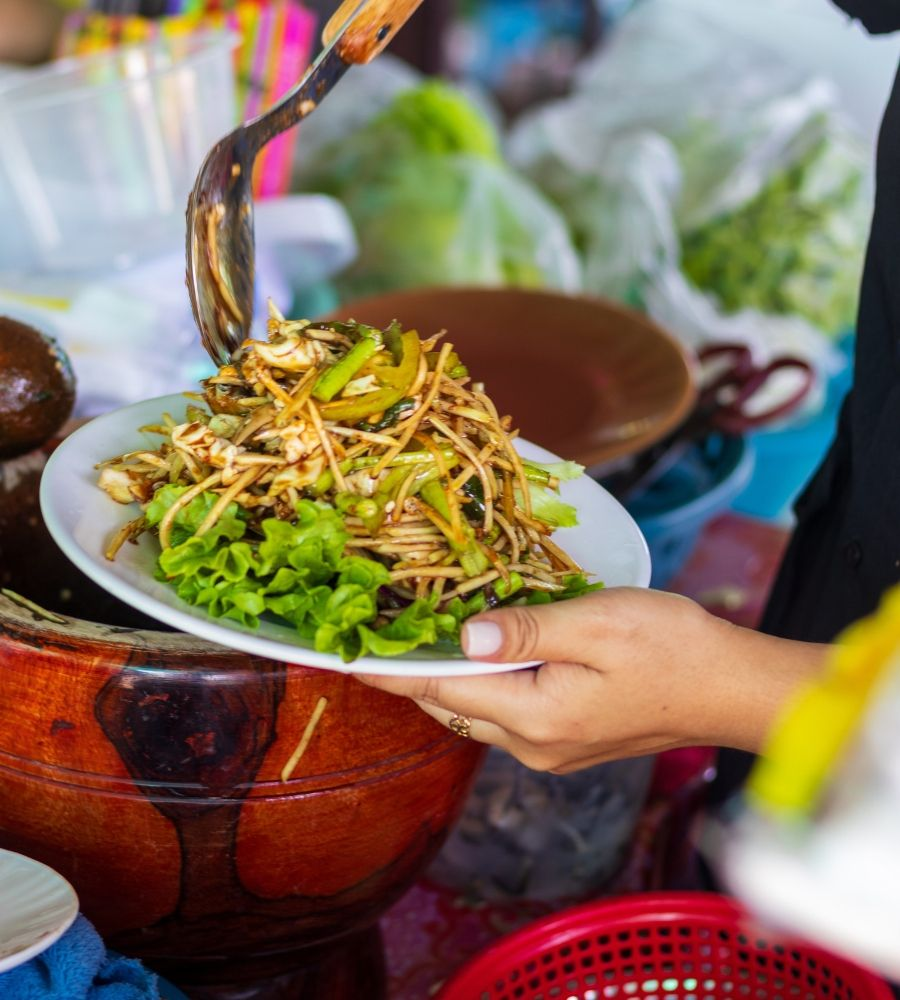
Cambodian food is distinct from its neighbours and consistently underestimated. Fish amok, steamed fish curry in coconut milk with fresh turmeric and kaffir lime served in a banana leaf, is the national dish. Beef lok lak, stir-fried in black pepper sauce with a fried egg and lime dipping sauce, is one of the most satisfying meals you will eat here. Kuy teav, rice noodle soup sold at street stalls from early morning, is breakfast. Bai sach chrouk, grilled pork over rice with pickled ginger, is the other breakfast worth knowing.
Prahok, fermented fish paste, underlies much of Khmer cooking the way fish sauce underlies Thai food. Cambodian curries use coconut milk, lemongrass, galangal, and kaffir lime in combinations that are subtler and less fiery than Thai equivalents. Freshwater fish from the Tonle Sap dominates the protein in traditional cooking. Order the fish wherever you are. It is almost always exceptional.
Budget
Street stalls at Phsar Leu, the main local market on National Road 6, and the streets around the Old Market serve the best and most affordable Cambodian food in the city. A full meal costs $1.50 to $3. The stalls on Street 09 by the Old Market are reliable for grilled meats, local curries, and dried fish. This is where people who live here eat.
Mid-Range
Haven: On Chocolate Road near Sala Kamreuk. A training restaurant for vulnerable young adults run as a social enterprise. The garden setting is beautiful and the food is consistently among the best in the city at any price. The fish amok and beef lok lak are two of the best versions in Siem Reap. Every dollar you spend contributes directly to the training programme. Book ahead. This is one of those places that genuinely deserves the reputation it has built.
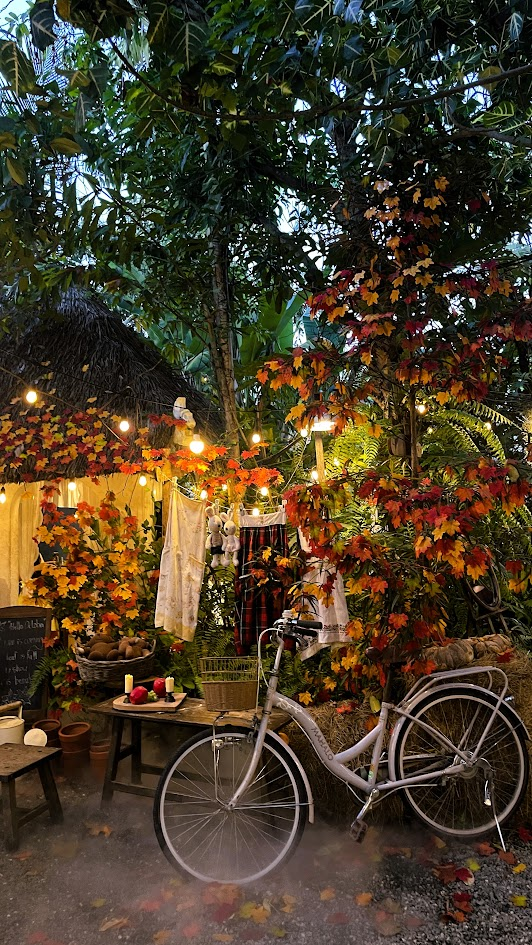
F3 Siem Reap (formerly Marum): On Wat Bo Road inside the F3 compound. Reopened in October 2024 under the Friends International umbrella after closing during the pandemic. Training restaurant for marginalised youth serving creative Cambodian tapas-style dishes in a beautiful garden with fairy lights and a traditional wooden villa. Red tree ant stir-fry, wild mushroom and sesame rice balls, and baked tilapia with spicy miso butter are all worth ordering. Cocktails are creative and well-priced. Monday to Saturday, 5pm to 9.30pm. Book ahead during peak season.
Higher End
Cuisine Wat Damnak: In a traditional wooden house near Wat Damnak pagoda. Run by French chef Joannes Riviere, who has spent years working with Cambodian ingredients and producers. The menu changes every two weeks and uses locally sourced produce to create dishes that blend Khmer flavours with French technique. Two tasting menus at around $40 to $45 per person. One of the most serious and consistently praised restaurants in the country, not just the city. Book well in advance.
Malis: On Pokambor Avenue by the river. Run by celebrity Cambodian chef Luu Meng, who operates the original Malis in Phnom Penh. Contemporary Khmer cuisine in a grand riverside setting. Expensive by Siem Reap standards and considerably less than equivalent quality anywhere in the West.
Embassy by Chef Kimsan: Seasonal seven-course tasting menu showcasing elevated Khmer cuisine using Cambodian ingredients including Kulen honey, Kampot pepper, and local freshwater fish. The menu changes monthly. Wine pairing available. Outdoor terrace and air-conditioned indoor seating. One of the most refined dining experiences in Siem Reap. Book ahead.
Chanrey Tree: On Pokambor Avenue near the river. Fine dining in a converted traditional Khmer home. Consistently praised for presentation, service, and a menu that takes Cambodian cuisine seriously at the upper end of the market. A good choice for a celebratory dinner.
Practical Notes
Most restaurants in the tourist centre accept USD and card. Tipping is not obligatory but is meaningful. Five to ten percent or rounding up is standard.
The Wat Bo Road and Street 26 area has a growing cluster of independent restaurants worth exploring beyond the main tourist strip. The Old Market area has the densest concentration of options at all price points.
A full listing of restaurants by category and neighbourhood is in the Dining section of SiemReapLife.com.