
SiemReapLife.com created this page to help travelers stay informed about local health, safety, and conditions in Siem Reap. We live here. We eat street food, order delivery, cook at home, and eat out at local restaurants every day. This page is written from that experience, not from a distance.
Siem Reap is one of Southeast Asia’s safest and most welcoming destinations. The city has a large and established international community of expats, NGO workers, business owners, and long term residents who live comfortably and healthily here year round. That community is the best evidence of what daily life in Siem Reap actually looks like.
1. Water
Tap water in Siem Reap is not recommended for drinking and nobody here drinks it straight from the tap. This is standard across Cambodia and most of Southeast Asia. It is not a cause for alarm. It is simply something to know before you arrive.
Bottled water is inexpensive and available absolutely everywhere. Most hotels and guesthouses provide complimentary bottled water. Restaurants and bars throughout the city use filtered water for cooking and ice. The international community living in Siem Reap uses bottled or filtered water for drinking and cooking as a matter of routine and gives it no more thought than that.
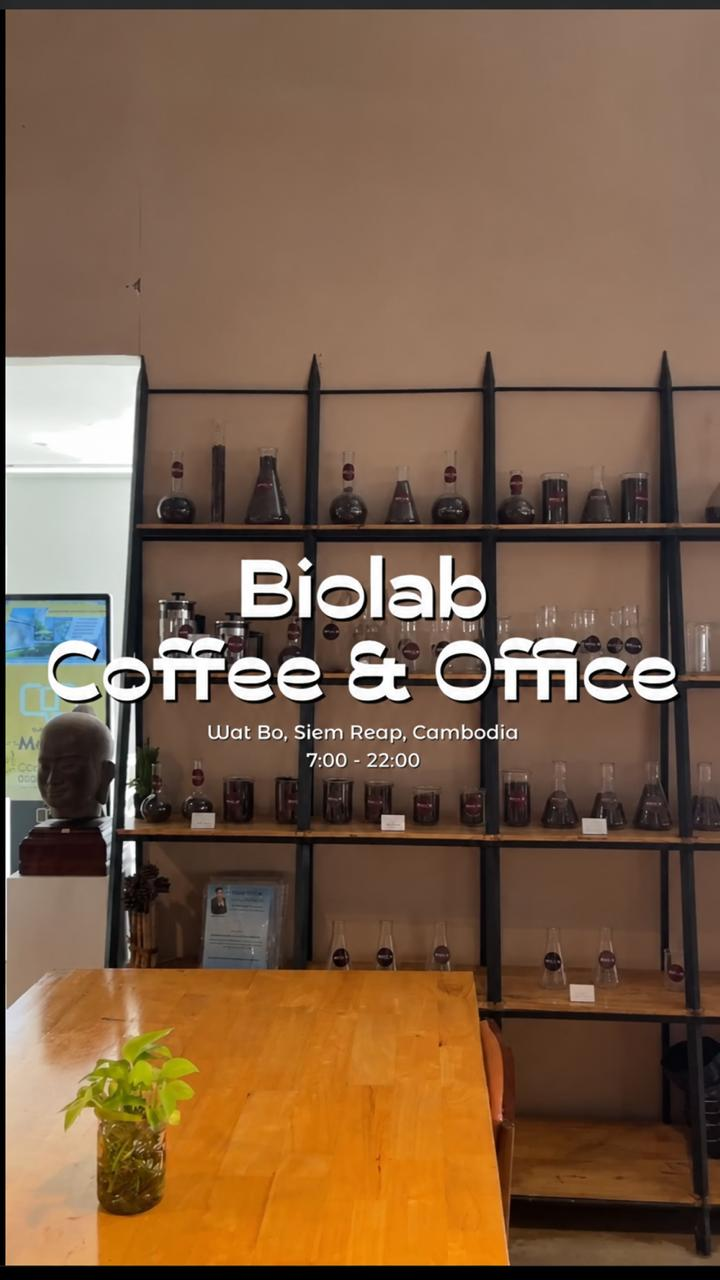
We live in Wat Bo, one of Siem Reap’s most established residential neighbourhoods beside the river. Water here is consistent and reliable. Around early April as the dry season peaks and river levels drop naturally, tap water can change slightly in appearance. It looks worse than it is. It is a natural seasonal occurrence that long term residents are completely used to and it has no impact on bottled water supplies or filtered systems in hotels and modern homes.
The practical advice is simple. Drink bottled or filtered water. Everything else, showering, bathing, washing clothes, brushing teeth, is completely normal.
2. Food
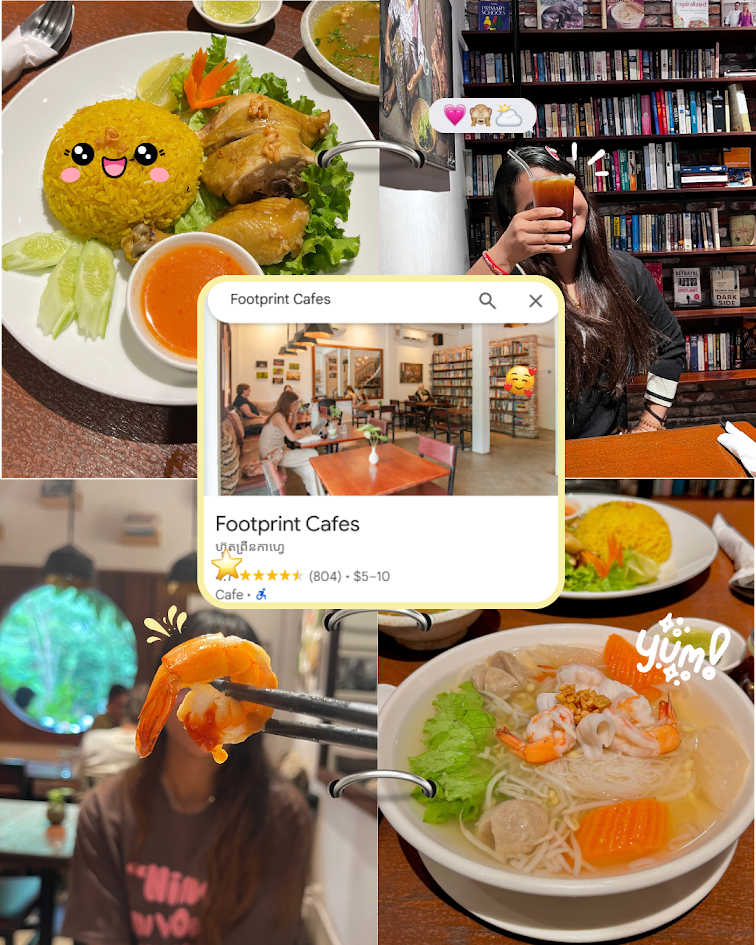
We eat street food in Siem Reap regularly. We order delivery. We eat at local restaurants and markets. So does the entire expat and international community here. Siem Reap’s food scene is extraordinary and the overwhelming experience of people who live and visit here is that eating well and eating safely are not in conflict.
Common sense applies as it does anywhere. Eat at busy stalls where food is freshly cooked and turnover is high. Avoid anything that looks like it has been sitting out for a long time. Wash fresh fruit and vegetables with bottled or filtered water if preparing food at home. Beyond that, embrace it. The food here is one of the great pleasures of being in Siem Reap.
3. Dengue Fever
Dengue is the most relevant health consideration for visitors to Siem Reap and it is worth understanding clearly. It is transmitted by daytime mosquitoes, not at night, and is most active around dawn and dusk. There is no widely available vaccine so prevention is the approach. Use a quality insect repellent containing DEET on exposed skin every day, particularly in the early morning and early evening. Wear light long sleeves and trousers during these times if you are particularly cautious.
Dengue is unpleasant but rarely fatal in healthy adults when identified and treated promptly. If you develop a sudden high fever, severe headache, or muscle pain during or shortly after your visit, seek medical attention and mention that you have been in Cambodia. Clinics in Siem Reap are experienced at treating dengue and staff speak English.
4. Medical and Health Infrastructure
Siem Reap has reliable private medical facilities catering to international visitors. Royal Angkor International Hospital is the most well equipped facility in the city with English speaking staff capable of handling a wide range of medical needs. U-Care Pharmacy operates several branches throughout the city stocking international standard medications and healthcare products. For minor ailments pharmacists are knowledgeable and helpful.
For serious or complex medical situations, medical evacuation to Bangkok is well established and straightforward with comprehensive travel insurance. Travel insurance with medical coverage is not optional in our view. It is essential.
Consult your doctor or travel health clinic at least six weeks before visiting Cambodia. Commonly recommended vaccinations include Hepatitis A and Typhoid. Ensure routine vaccinations are up to date.
5. Sun and Heat
The Cambodian sun is intense year round and underestimated by most visitors. Apply high SPF sunscreen before going out and reapply throughout the day. A hat is not optional at the temples. Stay hydrated consistently, not just when you feel thirsty. Heat exhaustion is a real risk during extended temple visits in the middle of the day. Plan strenuous outdoor activity for early morning or late afternoon and rest during the hottest part of the day.
6. General Safety
Siem Reap is a safe city. Serious crime against tourists is uncommon and the international community here lives with a level of ease and comfort that surprises many first time visitors. Petty theft can occur in busy market areas so keep valuables secure and be aware of your surroundings. Use Grab for transparent and reliable transport pricing. Stay in well-lit areas at night and apply the same common sense you would in any busy city.
Respect local customs particularly around temples and religious sites. Cambodians are extraordinarily warm and patient and a little courtesy goes a very long way.
For emergencies: Police 117, Fire 118, Ambulance 119.
SiemReapLife.com is committed to keeping visitors informed and connected with the best this city has to offer. Siem Reap is a city where people choose to live, build businesses, raise families, and come back to year after year. That is the most honest health and safety endorsement we can offer.