

Buying Real Estate in Siem Reap, Cambodia
Siem Reap has quietly become one of the most compelling real estate stories in Southeast Asia. Buyers from China, the United States, Europe, Australia, and across the region are discovering what those already living here have known for years. A city with genuine momentum, accessible prices, a thriving tourism economy, and a quality of life that is hard to match at the cost. The opportunity is real and the people moving on it are not waiting.
For anyone considering property in Siem Reap, whether a second home, a holiday rental investment, a commercial venture, or a place to put down roots, this page is a starting point. We connect buyers with the real estate professionals, agencies, and listings that can take you further. Everything beyond that is best handled by the qualified local professionals you will find through our platform.
Why Siem Reap
The case for Siem Reap starts with the numbers. Property prices here remain significantly lower than comparable cities across Southeast Asia. Markets like Bangkok, Bali, Chiang Mai, and Ho Chi Minh City have matured. Entry points have risen. The window that early buyers enjoyed in those cities is largely closed. Siem Reap is at a different point in that curve and experienced investors from across the world are paying attention.
Beyond the numbers the city itself makes a compelling case. Siem Reap is the gateway to Angkor Wat, one of the world’s great UNESCO World Heritage Sites and one of Asia’s most visited destinations. That is not a trend. It is a permanent foundation for the tourism economy that underpins the city’s hospitality, retail, and residential property markets. The tourists keep coming. The city keeps growing. The demand for quality accommodation, well run businesses, and attractive residential properties grows with it.
Cambodia’s economy has expanded steadily and the government has made deliberate and sustained efforts to attract foreign investment. Infrastructure has improved significantly. International air connections have grown. The legal frameworks available to foreign buyers have been developed and clarified over time to make Cambodia an increasingly accessible and transparent market for international capital.
The lifestyle dimension is equally important for many buyers. Siem Reap offers a pace of life that is deliberate rather than frantic. Great food. Warm and genuinely welcoming people. A rich cultural environment that rewards curiosity. An established and growing expat community from China, Europe, America, Australia, and across Asia that makes settling in feel natural. A cost of living that allows people to live genuinely well on budgets that would feel restrictive back home. For buyers looking for a second home or a place to relocate, these things matter as much as the investment fundamentals.
For buyers from China and across Asia, Cambodia’s proximity, cultural connections, and open investment environment make it a natural and practical choice. Significant Chinese investment has already shaped parts of Siem Reap’s commercial landscape and the Chinese community in the city is well established. For American and European buyers, the combination of low entry prices, strong potential rental yields in a tourism-driven market, and a lifestyle that delivers real quality at a fraction of the cost of home makes Siem Reap a proposition worth taking seriously.
The long term outlook is strong. The city is growing, infrastructure is improving, Cambodia’s international profile continues to rise, and the government remains committed to developing Siem Reap as a world class destination. Those who recognize what a market looks like before it reaches its ceiling tend to move early. Many already have.
Understanding the Market
Siem Reap’s property market has developed rapidly and continues to evolve. There is genuine inventory across all categories. Condominiums and apartment units in the city center. Boutique villas and private residences. Commercial properties suited to hospitality, retail, and office use. Land in and around the city. Developments with modern amenities aimed squarely at the international buyer market. Whatever you are looking for there is likely something worth exploring here.
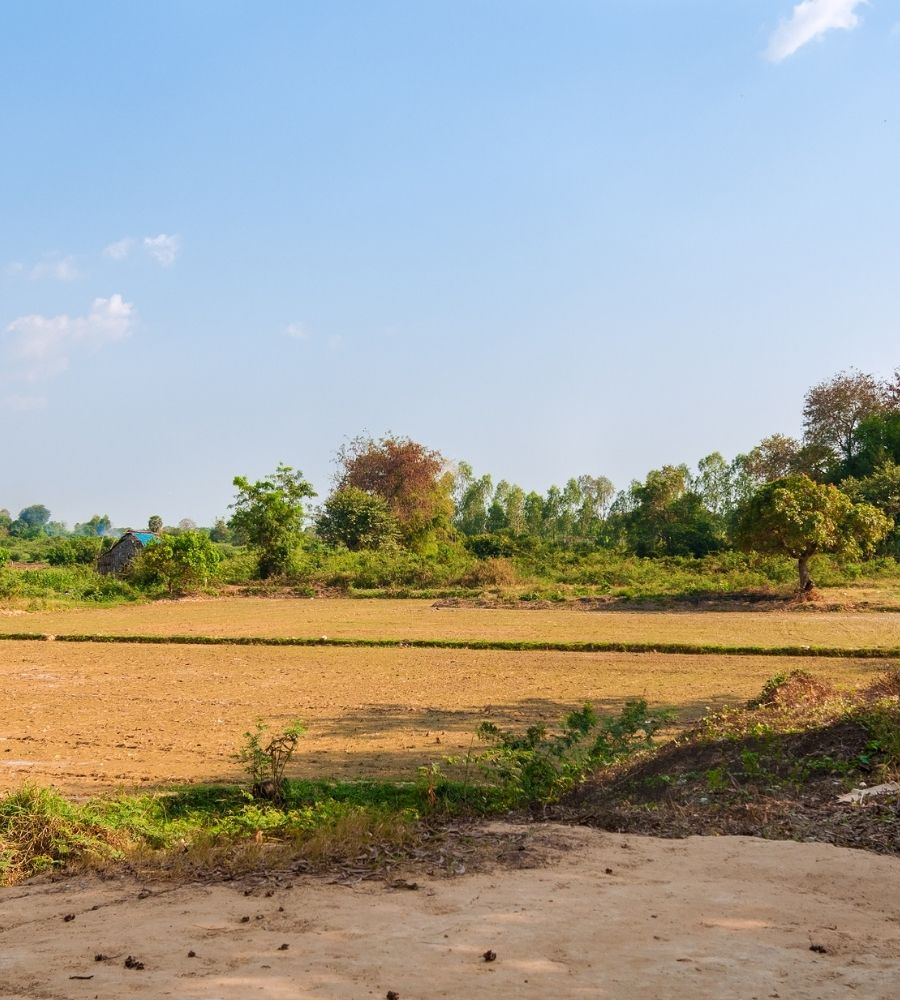
Prices vary considerably depending on location, title type, property condition, and the specific structure of the transaction. The Old Market area and the streets around Pub Street command premium prices for commercial space. Residential properties closer to the temple complex offer a different atmosphere and often represent strong value. The surrounding areas outside the city center offer larger plots and lower prices for buyers with a longer term horizon or development ambitions.
Rental yields in Siem Reap’s tourism sector have historically been attractive for well-located and well-managed properties. The city’s consistent flow of international visitors creates genuine demand for quality short term accommodation. For buyers looking at holiday rental investment, Siem Reap’s tourism fundamentals are a solid foundation to build on.
How Property Ownership Works for Foreign Buyers
This is the question most international buyers ask first and the answer is more encouraging than most people expect. Cambodian law does not permit foreigners to own land directly in their own name. This is the fact that gives many potential buyers pause. What is less well known is that the Cambodian government has created several specific and legally recognised structures that allow foreign nationals to hold, use, enjoy, and profit from property here. These are not workarounds or grey areas. They are established legal frameworks actively promoted by the government to encourage foreign investment.
Understanding which structure is right for your situation is one of the most important early conversations to have with a qualified local legal professional. The real estate companies and professionals listed on SiemReapLife.com are a good starting point for those conversations.
Strata title is the most significant development in Cambodian property law for foreign buyers. Introduced under the 2010 Strata Title Law it allows foreign nationals to own property in Cambodia outright. Specifically units within co-owned buildings such as condominiums and apartment complexes. It is the most straightforward route to direct legal ownership for foreign nationals and has become increasingly common as Siem Reap’s property market has matured. If direct ownership is your goal strata title is the framework to understand first.
Long term leasing is one of the most popular and practical structures for foreign investors in Cambodia. Leases of significant duration are legally recognised under Cambodian law and can include renewal options that extend the arrangement considerably further. A well-structured long term lease drafted by a qualified lawyer provides genuine and enforceable security. For many buyers particularly those investing in commercial property or hospitality a long term lease delivers everything ownership does in practical terms and is the preferred route for experienced investors across the region.
Purchasing property through a properly registered Cambodian company is another route used by foreign investors. A correctly structured company can hold land title legally and this approach is widely used particularly for commercial investments and larger developments. It requires ongoing compliance with Cambodian company law and good professional support but it is a legitimate and established structure that many experienced investors choose.
Understanding the type of title attached to any property you are considering is fundamental. Hard title, formally known as LMAP title, is the strongest and most secure form of property documentation available in Cambodia. It is issued by the Ministry of Land Management and provides clear nationally recognised legal protection. It is what experienced buyers and legal professionals will always recommend pursuing. Soft title is recognised at a local level and is common across Cambodia but carries more risk and requires careful due diligence. Properties with soft title can be upgraded over time with the right legal support. Any reputable real estate professional will be transparent about title type from the outset.
Financing
Cambodia’s property financing market has developed considerably in recent years and several local and regional banks now offer mortgage and financing products to both local and foreign buyers. Terms, rates, and deposit requirements differ from what Western buyers may be accustomed to and the market is less mature than financing environments in the US, Europe, or Australia. That said financing is available and makes property ownership accessible to a broader range of buyers than was the case even five years ago. It is worth exploring financing options early in your research and understanding the full cost and terms before committing to anything.
Taxes and Costs
Cambodia applies taxes on property transactions and on property ownership above certain values. The specifics depend on the structure of your purchase, the type of property, and your individual circumstances. Understanding your tax position before completing a transaction is straightforward with the right advice and avoids surprises down the line. A qualified local accountant or legal advisor will walk you through what applies to your specific situation clearly and efficiently. Factor these costs into your overall investment calculation from the start.
Working With the Right Professionals
This is where the quality of your experience is made or lost. Cambodia’s real estate profession is less formally regulated than what buyers from the US, Europe, or Australia may be used to. The quality of agents, brokers, and advisors varies considerably. As in any market where regulation is still developing there are excellent professionals and there are those who prefer buyers to know as little as possible. The difference matters enormously.
Work only with professionals who have a demonstrable and verifiable track record in the Cambodian market. Ask for references. Check backgrounds independently. Talk to other buyers who have worked with them. The real estate companies listed on SiemReapLife.com are a good starting point for finding professionals with genuine local knowledge and a reputation worth protecting.
Always engage a qualified Cambodian lawyer before proceeding with any transaction. This is not optional. A good lawyer will conduct thorough due diligence, verify title documents independently, confirm there are no outstanding liens or disputes on the property, review and draft contracts, and ensure your transaction is correctly documented and registered with the relevant Cambodian authorities. Legal fees in Cambodia are modest relative to most international markets and the protection a good lawyer provides is one of the best investments you will make in the entire process.
Do not rely on advice from lawyers not licensed to practice Cambodian law regardless of their qualifications or experience elsewhere. Cambodian property law is specific and evolving. You need someone who knows it from the inside.
There is no nationwide MLS equivalent in Cambodia at this time. Property listings are spread across multiple platforms and agencies. Working with a knowledgeable local agent or legal advisor who has genuine relationships in the market gives you access to inventory and insight that is not always visible online.
Separating Fact from Fiction
There is a persistent perception among some international buyers that purchasing property in Cambodia is risky, uncertain, or legally complicated for foreigners. It is worth addressing this directly because the reality today is considerably more straightforward than this reputation suggests.
Cambodia has established clear and enforceable legal frameworks for foreign property investment. The government actively promotes foreign investment and has built the legal architecture to support it. Thousands of foreign nationals from China, the US, Europe, Australia, and across Southeast Asia have successfully purchased, leased, and developed property here. The market is more transparent, better regulated, and more accessible than it has ever been.
As with any property market the key is doing it properly. Working with qualified and reputable professionals. Verifying everything independently. Ensuring your transaction is correctly documented and registered. Understanding what you are buying and the structure through which you are buying it. Done right buying property in Siem Reap is a straightforward and genuinely rewarding process. The opportunity is real. The frameworks exist. The professionals are here. The next step is yours.
SiemReapLife.com is a listing and information platform. We connect buyers with real estate companies, agents, and listings. We do not provide legal or investment advice. Always seek independent professional advice before entering into any property transaction.