
Siem Reap sits at the edge of one of the most remarkable water systems in Southeast Asia. The Tonle Sap Lake, just 15 kilometers south of the city, is the largest freshwater lake in the region and a UNESCO Biosphere Reserve. The Siem Reap River runs through the heart of the city itself. Together, these waterways shape daily life here in ways that most visitors don’t expect. A boat trip on the Tonle Sap is one of the most memorable things you can do in Siem Reap, and it has nothing to do with temples.
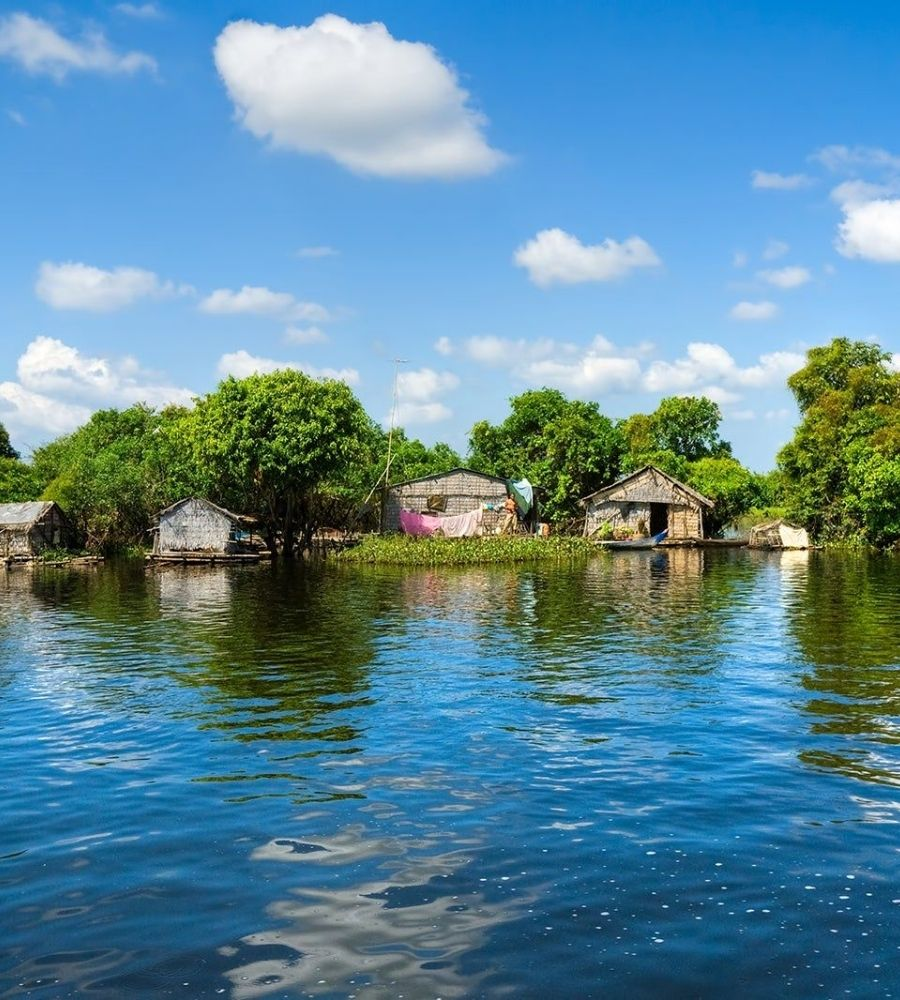
Tonle Sap Lake
The Tonle Sap is unlike any other lake in the world. Every year during monsoon season, the Mekong River rises so powerfully that it forces the Tonle Sap River to reverse its flow and push water back into the lake. The lake swells from around 2,500 square kilometers in the dry season to over 16,000 square kilometers at its peak. Water levels can rise and fall by up to 9 meters between seasons. This annual cycle has sustained Cambodian civilization for centuries and created one of the world’s richest inland fisheries, home to over 200 species of fish.
The lake is about 15 km south of central Siem Reap. By tuk-tuk it takes roughly 30 to 40 minutes depending on which landing you are heading to. Most guesthouses and hotels can arrange tours. Book through a reputable operator and confirm what is included before you pay. Budget roughly half a day for a proper visit.
The best time to visit is October to January, when water levels are high, the flooded forest is accessible, and the landscape is at its most dramatic. The dry season (February to May) sees water levels drop significantly, limiting what boats can reach.
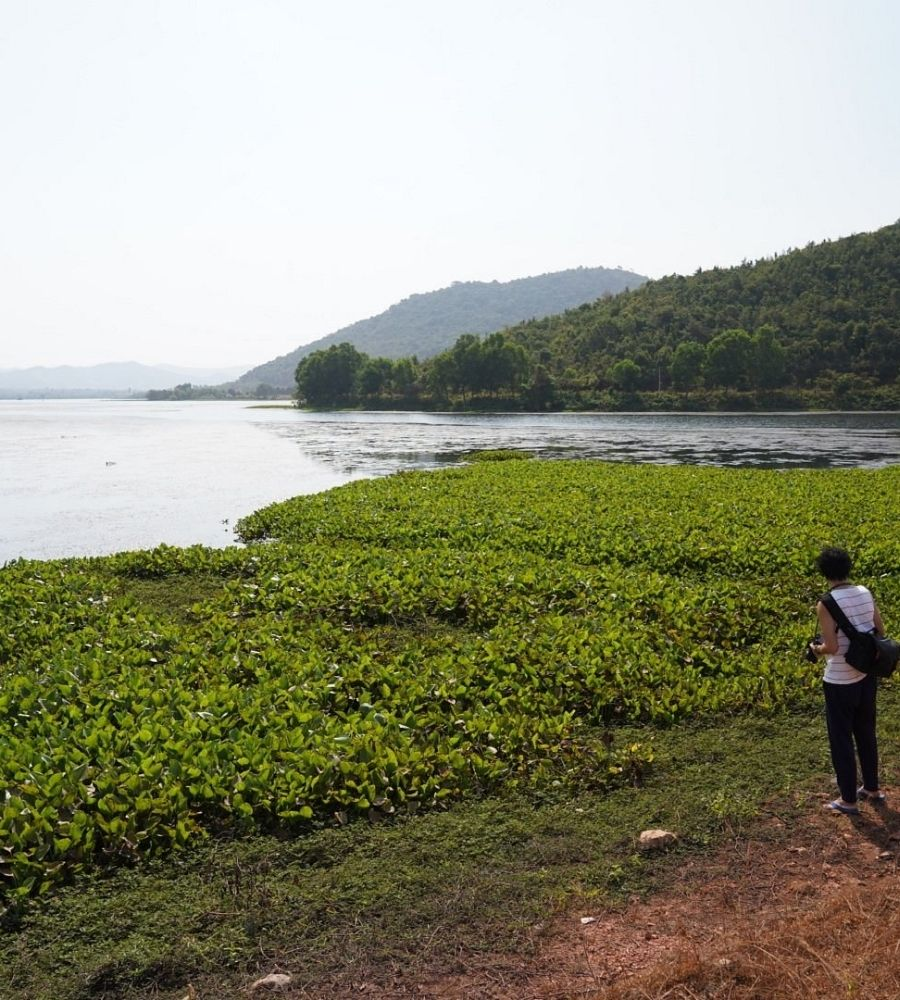
Floating Villages
There are several floating villages accessible from Siem Reap. Each is different and worth understanding before you book. Not all tours are equal. Some stops, particularly at Chong Khneas, are heavily commercialized and benefit operators more than the communities themselves. A private tour booked through a trusted local guide gives you a better experience and puts more money directly into the village.
- Kampong Phluk: The most recommended for most visitors. Houses are built on stilts up to 10 meters high. In wet season they appear to float just above the water. A canoe ride through the flooded mangrove forest is the highlight, quiet, shaded, and unlike anything else in the region. Located about 30 km from Siem Reap. Tours typically run $35 to $50 per person for a guided group trip, with the boat ticket costing around $18 if you arrange your own transport. The canoe through the mangroves is an additional $5 to $8 per person and worth doing.
- Kampong Khleang: The largest and least touristy of the villages. More remote, about 55 km east of Siem Reap. Best for visitors who want an authentic experience without the crowds.
- Chong Khneas: The closest to Siem Reap and the most visited. Also the most commercialized. Short tours here tend to end at tourist trap stops. Generally not recommended unless you are very short on time.
- Prek Toal: Located at the western end of the lake where the Sangkae River meets the Tonle Sap. Known for the Prek Toal Bird Sanctuary, home to over 150 bird species including Spot-billed Pelicans, Painted Storks, and Greater Adjutants. Best visited January to May when large flocks are almost guaranteed.
The Battambang Boat
One of the best ways to see the Tonle Sap is not on a tour at all. The slow boat between Siem Reap and Battambang crosses the lake and winds along the Sangkae River, passing floating villages, flooded forests, and rural communities that don’t receive tour groups. The journey takes between 5 and 9 hours depending on the season and water levels, and costs around $20 to $30 per person. Boats depart from the Chong Khneas pier early in the morning. It is not comfortable or fast. It is, however, one of the more genuine things you can do in Cambodia. Best taken August to February when water levels are high enough to keep the journey moving. Bring sunscreen, a hat, snacks, and more patience than you think you’ll need.
The Siem Reap River
The Siem Reap River runs directly through the city from north to south. The riverbanks have been developed with walkways, small parks, and restaurants. It is a pleasant place to walk in the early morning or evening. During wet season the river rises noticeably and the surrounding areas take on a greener character.