
Is Siem Reap Worth Visiting?
Yes. Unreservedly.
Siem Reap is home to the largest religious monument complex ever built. The Angkor Archaeological Park, a UNESCO World Heritage Site covering 400 square kilometres, contains over 70 temple sites representing one of the greatest achievements of human civilisation. Angkor Wat alone would justify the trip. The fact that it sits inside a city with excellent food, accommodation at every price point, a genuine cultural scene, and some of the warmest people you will encounter anywhere in Southeast Asia makes it exceptional value for the time and money involved.
The more useful question is not whether Siem Reap is worth visiting. It is how long to stay and what to do beyond the temples.
How Long Do You Need
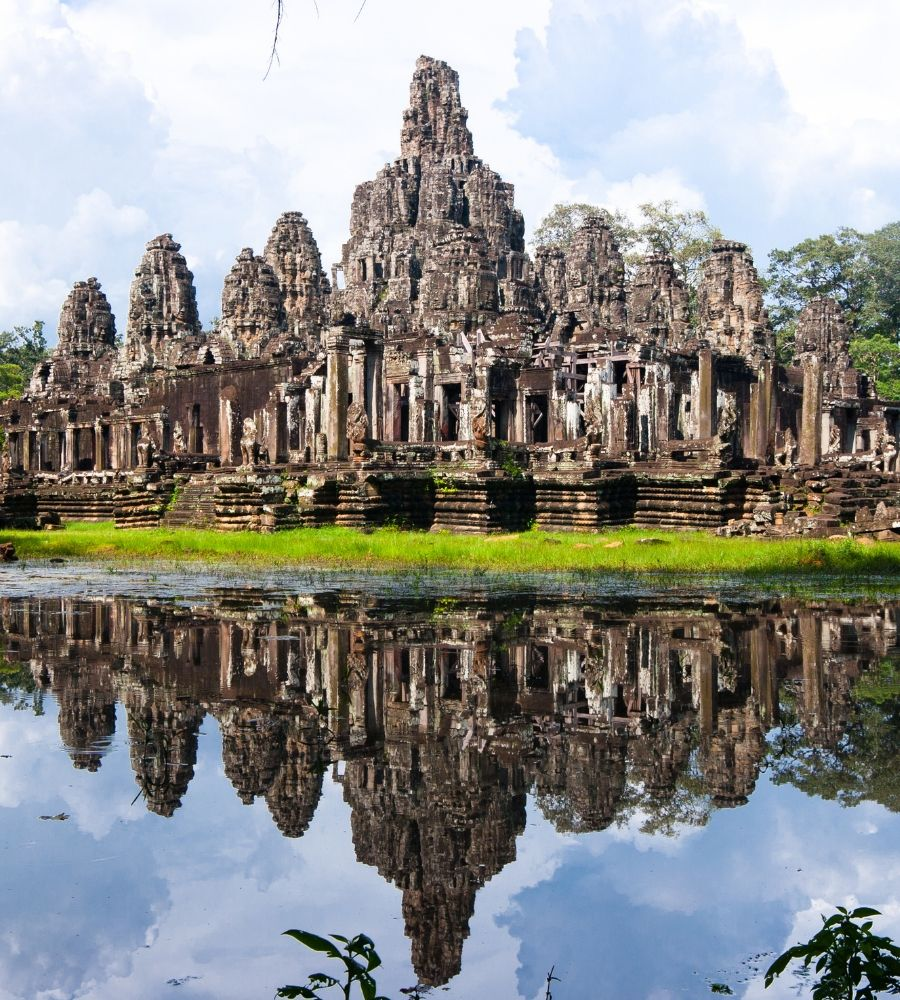
One day is possible. You can see Angkor Wat at sunrise, visit Bayon and Ta Prohm, and be back in the city by early afternoon. You will have seen the headline sites and missed most of what makes them meaningful.
Three days is the minimum we recommend for first-time visitors. A three-day Angkor Pass gives you access to the full complex across any three days within a ten-day window. Two days at the temples with a day in the city and surroundings gives you a complete experience without rushing.
Five days is better. It allows you to visit the outer temples at a pace that lets them land, add a day trip to Beng Mealea or Phnom Kulen, explore the city properly, eat well, and leave without the feeling that you skimmed the surface.
A week is not too long. Experienced travellers who have been to Angkor multiple times consistently say that Angkor Wat is not even in their top five favourite temples once they know the complex well. The more time you spend, the more that becomes clear.
What People Worry About
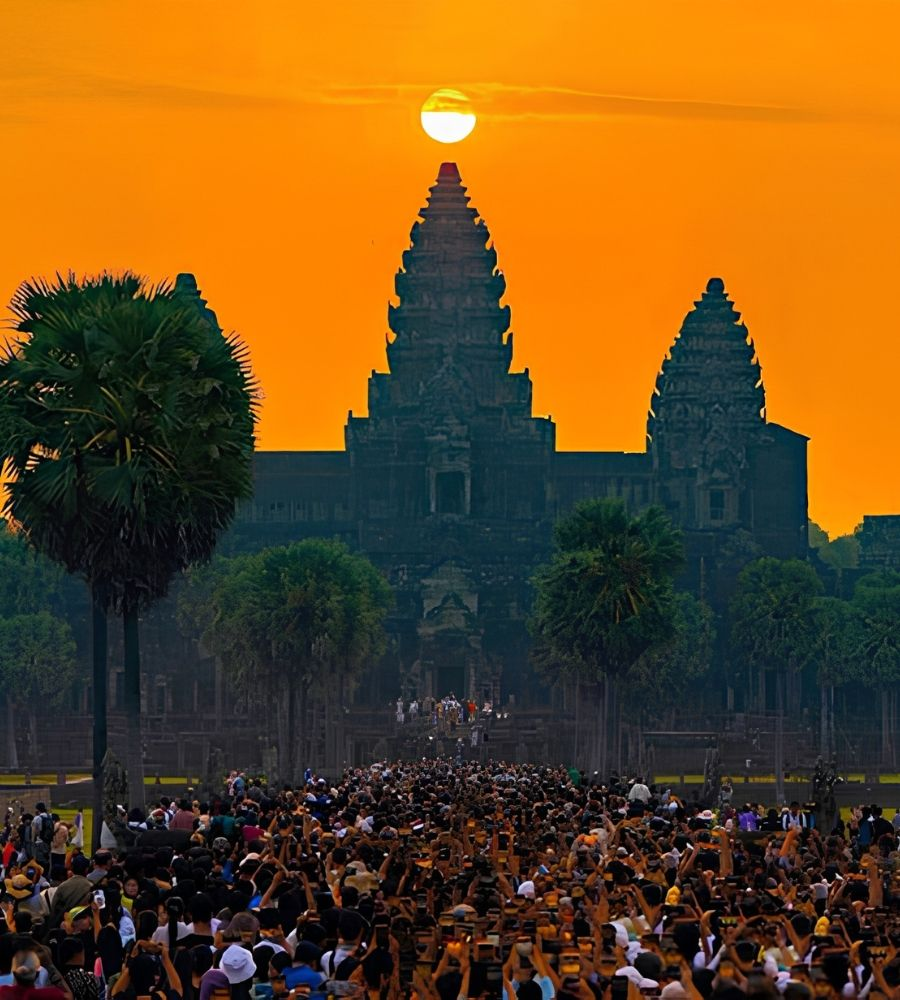
The crowds. The temples are busy, particularly Angkor Wat at sunrise, Bayon, and Ta Prohm between 9am and 3pm. The worry is legitimate and also manageable. The complex is vast. Arrive at 7.30am, visit the main sites in the first two hours, and the experience is nothing like the queues at European heritage sites. Go on a weekday rather than a weekend during peak season. Visit the outer temples, the Roluos Group, Preah Khan, Neak Pean, where tour groups rarely go. The crowds are a solvable problem.
The heat. Between March and June temperatures regularly reach 38 degrees. Temple walking in direct sun is demanding. Start early, finish by noon, rest during the hottest hours, and return for the late afternoon light. This is manageable with basic planning.
The cost. Cambodia is genuinely affordable. The Angkor Pass at $37 for a day or $62 for three days is the largest single expense most visitors encounter. Everything else, accommodation, food, transport, activities, is inexpensive by almost any international standard.
What Most People Don’t Expect
To love the city as much as the temples. Visitors consistently report that Siem Reap surprised them. The food is better than expected. The people are warmer than expected. The things to do beyond the temples are more varied and interesting than expected. The combination of world-class archaeological heritage with a genuinely enjoyable city is rarer than it sounds and Siem Reap has it.
To want to come back. The most common thing people say when they leave is that they wish they had stayed longer. We hear this every week from people who gave themselves three days and realised on day two that they needed five. That is probably the most honest answer to whether Siem Reap is worth visiting.