
Elephant Sanctuary
For most of the past two decades, the elephants of Angkor carried tourists around the temple complex on their backs. In 2020 that ended. Elephant rides at Angkor Wat were banned, and the animals were retired from the work they had done since the temples reopened to visitors in the 1990s. Most of them now live at Kulen Elephant Forest, a sanctuary in the foothills of Phnom Kulen about an hour from Siem Reap. Visiting them there is one of the most worthwhile things you can do in a day away from the temples.
There are only around 75 captive elephants remaining in Cambodia. The population is not recovering. The choices made by visitors in the next decade will have a direct bearing on whether ethical sanctuaries can sustain the financial model that keeps these animals alive and well cared for.
Choosing an Ethical Experience
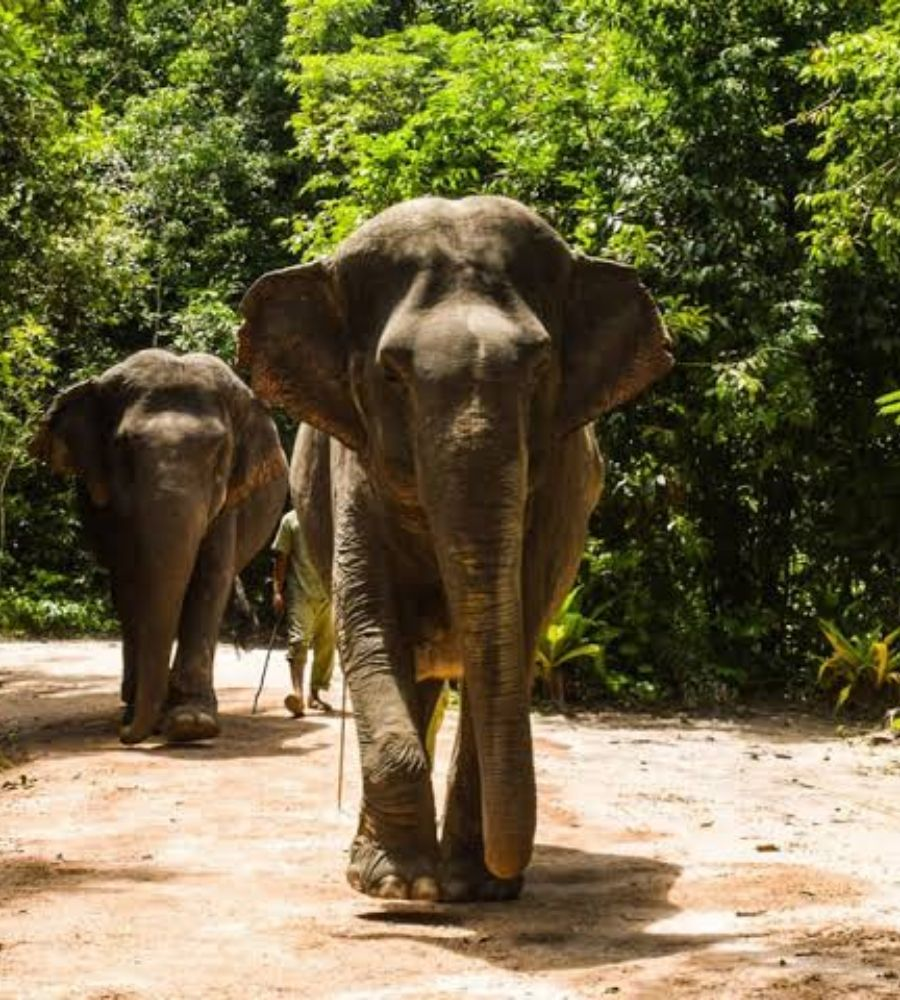
Not every place that calls itself a sanctuary operates to the same standard. The word is used loosely across Southeast Asia and Cambodia is no exception. Before booking, ask three questions. Do they allow riding? Do they use bullhooks or chains? Is veterinary care available on site? Any reputable sanctuary answers no, no, and yes to those questions in that order.
The two most established ethical options near Siem Reap are Kulen Elephant Forest and Elephant Sanctuary Cambodia. Both prohibit riding and prioritise the animals’ wellbeing over the visitor experience.
Kulen Elephant Forest
Located on 1,100 acres of protected forest in the Bos Thom Community Forest at the foothills of Kulen Mountain, Kulen Elephant Forest is the largest ethical elephant sanctuary in Cambodia and the first to receive Certified Facility accreditation from Asian Captive Elephant Standards, the leading body for elephant welfare auditing in Asia. It is home to 12 elephants, including two bull elephants, all former residents of the Angkor temple complex.
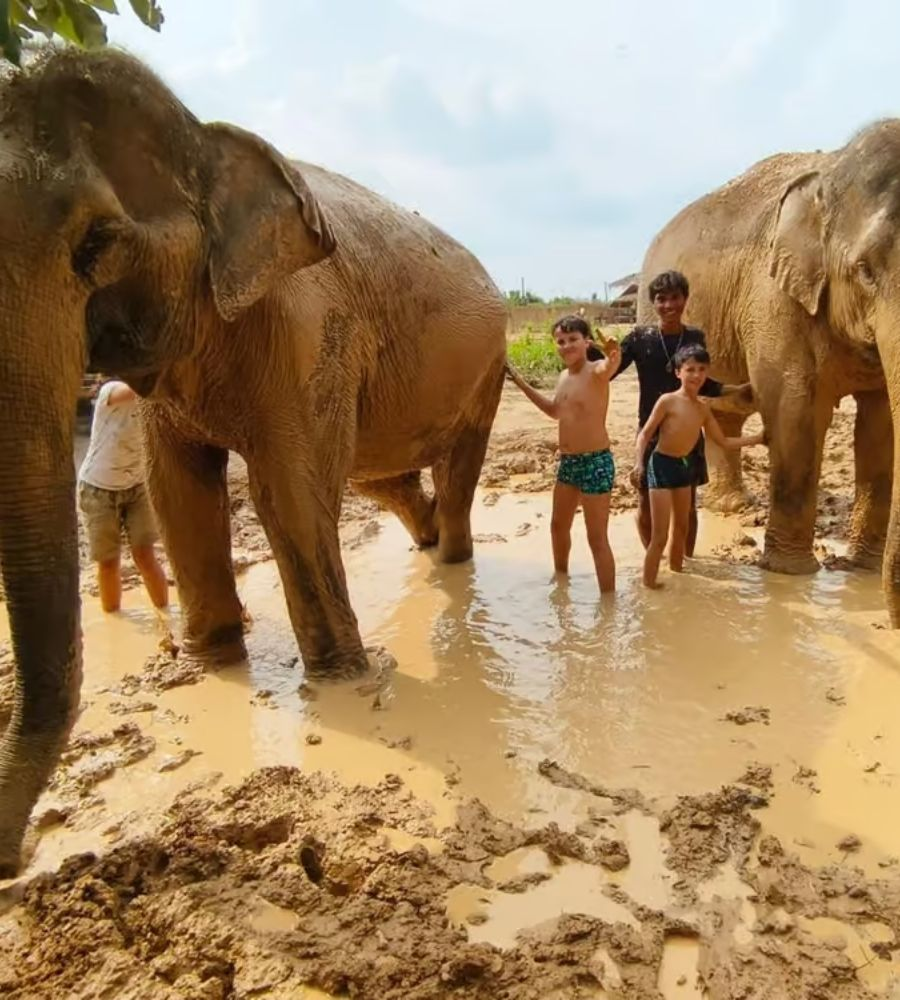
Tours run in the morning and afternoon, last around six hours including transport from Siem Reap, and are capped at 12 visitors per group. You will prepare food for the elephants, walk alongside them through the forest, and watch them interact in their natural surroundings. The guides know each elephant individually, their personalities, their histories, and their preferences, and that knowledge turns what could be a generic wildlife encounter into something considerably more personal. When an elephant decides to take a bath in one of the ponds, which happens often and without warning, everything stops. Twelve people stand quietly at the edge watching several tonnes of animal splash and roll with what can only be described as joy. It tends to be the moment most visitors remember longest. No riding. No tricks. No performances. Morning tours are strongly recommended. The jungle heat builds quickly and the elephants are most active in the cooler hours. Cost is around $80 per person including transport and a traditional lunch. Overnight camping is available for those who want more time at the sanctuary.
Elephant Sanctuary Cambodia
Located near the Cambodia Wildlife Sanctuary outside Siem Reap, this project is best known internationally as the home of Kaavan, a bull elephant rescued from a zoo in Islamabad, Pakistan in 2020 after spending nearly 35 years in isolation. His rescue, facilitated by Four Paws, Free the Wild, and supported publicly by the singer Cher, made international headlines and drew global attention to the sanctuary’s work. Today Kaavan lives in several hundred acres of forest alongside other elephants, foraging, swimming, and doing what elephants do when nobody is asking anything of them.
The approach here is more conservative than Kulen Elephant Forest. Tourists observe and feed the elephants through a protected fence rather than walking among them. Swimming is not offered. The philosophy is that minimising direct human contact is better for the animals in the long run. It is endorsed by the Save Elephant Foundation, founded by Lek Chailert of Elephant Nature Park in Chiang Mai, one of the most respected figures in Asian elephant conservation.
Day visits cost around $120 per person. Overnight visits around $160. Volunteering is available for a minimum of one week at around $400, which includes accommodation, vegetarian meals, and transport from Siem Reap.
What to Know Before You Go
Book in advance. Both sanctuaries limit group sizes and popular dates fill up, particularly between November and February. Wear clothes you do not mind getting dirty. Closed shoes are better than sandals. Bring insect repellent, sunscreen, and water. Transport from your hotel is included with most bookings.
Do not book an elephant experience that offers riding, shows, painting, or any form of performance. These activities require training methods that cause harm. The sanctuaries above do not practice any of them.