
Local culture in Siem Reap is one of the most layered and rewarding you will encounter anywhere in Southeast Asia. A civilization that built Angkor Wat at the height of the Khmer Empire, that survived unimaginable hardship in the twentieth century, and that has rebuilt with a resilience and warmth that leaves visitors genuinely moved. Walking the streets of Siem Reap you are as likely to hear Khmer, English, Mandarin, French, Korean, or Japanese as you are to find a quiet corner. The city has become a genuine meeting point of cultures while remaining deeply and proudly Cambodian at its heart. Check out our Top 20 Reasons to Visit Siem Reap and see what you can discover. Ancient temples, extraordinary food, a thriving arts scene, warm people, and a pace of life that feels like a gift. A place for adventurers and dreamers alike.
The Heart of the City
Like the central plazas of other great cities, the areas around the Old Market and the Siem Reap River are the city’s living room. At various times throughout the day and especially in the evenings you will find families and friends gathering along the riverbanks and around the market streets. Children play while adults talk. Street food vendors set up as the sun goes down. Monks in saffron robes move quietly through the crowd. If traveling with children, the river area and the Royal Gardens nearby are wonderful places for families to spend time and meet people from every corner of the world.
Buddhist Temple Life
Theravada Buddhism is not just the official religion of Cambodia. It is the rhythm of daily life. The wats, or Buddhist temples, scattered throughout Siem Reap are living, breathing centers of community. Monks study and chant. Families gather for ceremonies. Offerings of food, incense, and lotus flowers mark the turning of days and seasons. Wat Bo and Wat Preah Prom Rath are among the most accessible for respectful visitors and both offer a genuine window into how faith and community intertwine in Cambodian life. Removing your shoes at the entrance, dressing modestly, and moving quietly are the simple courtesies that make you a welcome guest rather than an observer.
Festivals and Celebrations
Cambodia is a country of deep spiritual life, vibrant festivals, and extraordinary cultural traditions. Visiting Siem Reap during one of its major celebrations offers a window into Cambodian culture that most visitors never see.
Khmer New Year in April is one of the most joyful times to be in Cambodia. A three day public holiday marking the traditional Cambodian solar new year, it fills the streets with music, water fights, games, and family gatherings. Book accommodation well in advance as it is one of the busiest periods of the year.
Pchum Ben, known as Ancestors Day, falls in September or October over fifteen days according to the Khmer lunar calendar. It is one of Cambodia’s most important and deeply felt celebrations. Cambodians believe that during this period the spirits of deceased relatives are especially present and they visit pagodas daily to make offerings of food and bay ben, balls of sticky rice, to monks on behalf of up to seven generations of ancestors. The final three days are a public holiday and many Cambodians return to their home provinces. Cities quieten. Pagodas fill. It is a profoundly moving time to be here.
The Water Festival, Bon Om Touk, takes place in November to celebrate the annual reversal of the Tonle Sap River flow, one of the natural wonders of Southeast Asia. Boat racing, fireworks, illuminated floats on the river, and huge crowds make it one of the most spectacular events in the Cambodian calendar. Siem Reap draws large numbers of visitors for the festival. Book early.
Apsara Dance
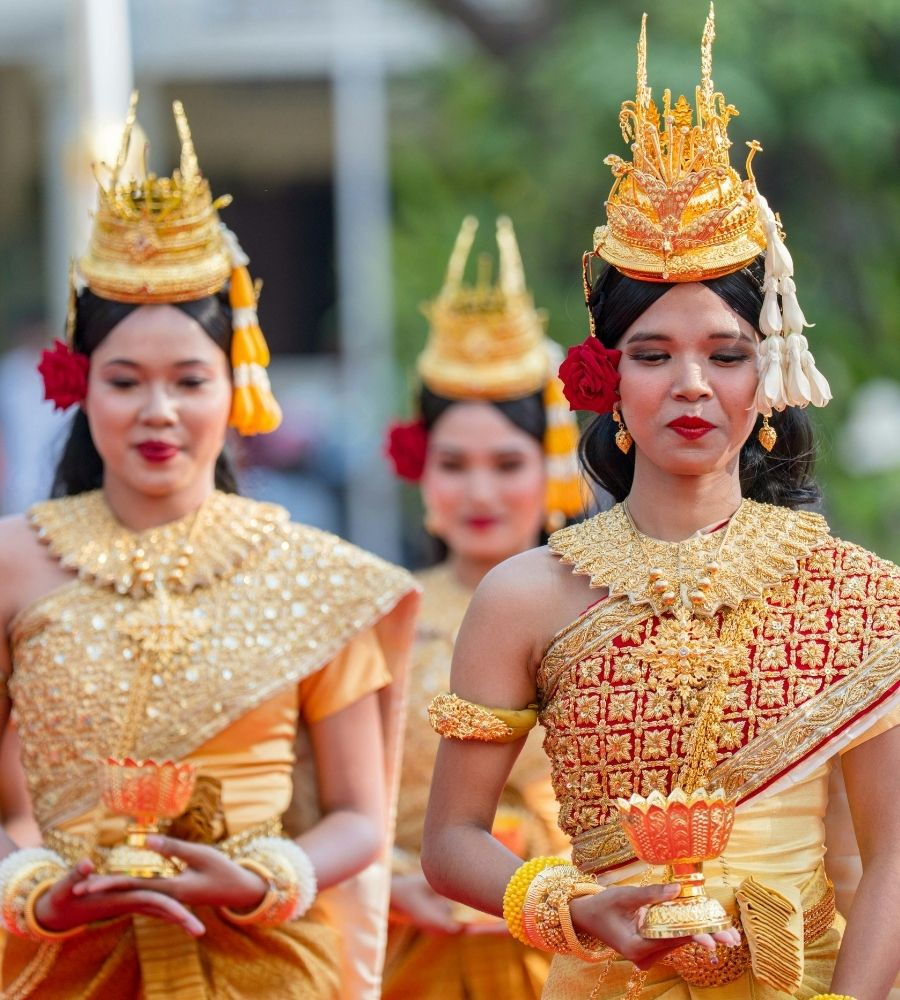
Apsara dance is one of Cambodia’s most sacred and beautiful art forms, its origins traced back to the carvings on the walls of Angkor Wat itself. Graceful, elaborate, and deeply expressive, it tells stories from ancient Khmer mythology through precise hand gestures, costume, and music. Performances are held regularly throughout Siem Reap and attending one is among the most memorable cultural experiences the city offers. Many restaurants host evening Apsara performances alongside dinner.
The Krama
One of the most recognizable symbols of Cambodian identity is the krama, the traditional checkered cotton scarf worn by Cambodians in countless ways. As a headwrap in the heat. A baby carrier. A market basket. A face cover on a dusty road. A ceremonial cloth. Every Cambodian family has one and they are made across the country in a range of colours and patterns. Buying a krama at the Old Market is one of the most genuinely Cambodian things you can do as a visitor and wearing one is always met with warmth.
Food as Cultural Memory
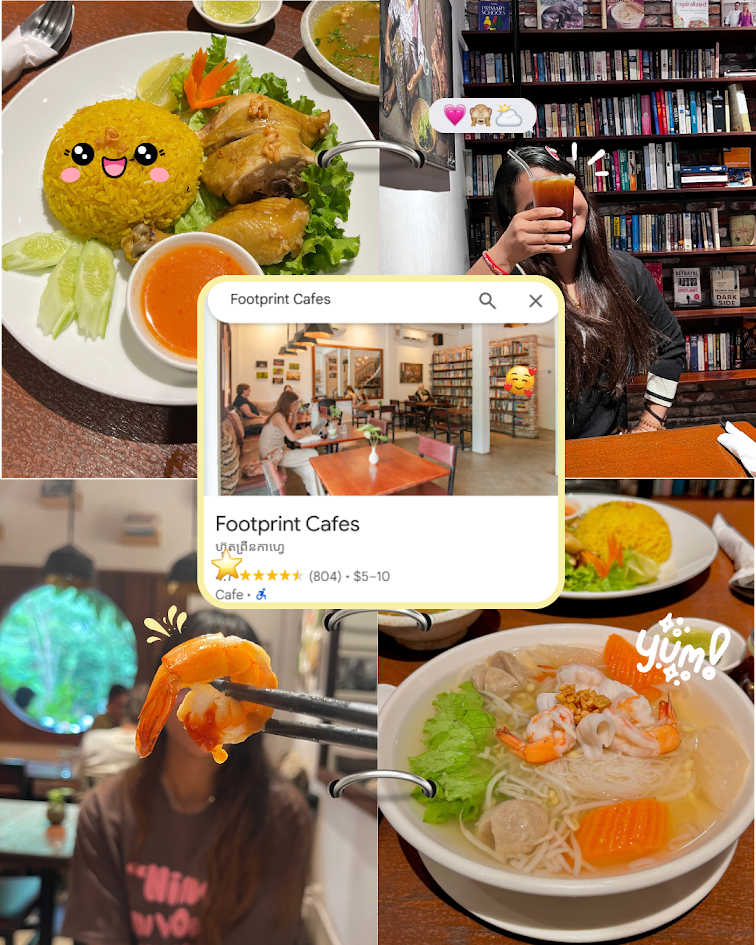
Cambodian cuisine is not just extraordinary food. It is cultural memory. Many dishes connect directly to the agricultural traditions of the Tonle Sap and the spice trade routes that passed through the Angkor Empire. Fish amok, the national dish, is a delicate steamed curry of freshwater fish wrapped in banana leaf that has been made here for centuries. Nom banh chok, the Khmer rice noodle breakfast eaten by families across the city every morning, has roots going back to the Angkor period. Eating locally and curiously is one of the most direct ways to connect with Cambodian culture.
The French Colonial Layer
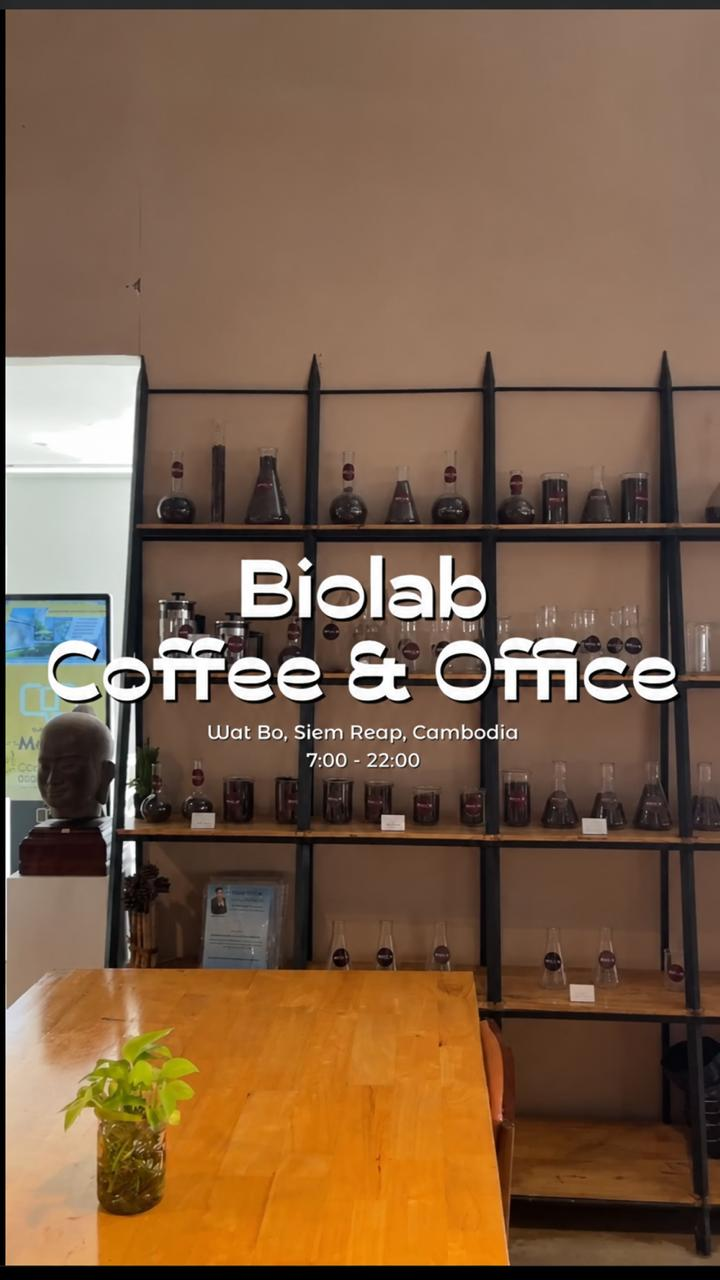
Siem Reap’s culture has more than one layer and the French colonial period left its mark in ways that are still visible and delicious today. The baguettes sold at market stalls every morning are a direct legacy of French presence in Cambodia from the late nineteenth century until independence in 1953. The old colonial architecture along the river and around the Old Market area gives the city a distinctive character that sets it apart from other Southeast Asian cities. The coffee culture, strong dark Cambodian coffee served with sweetened condensed milk over ice, is another gift of that era and one of the great daily pleasures of being here.
Understanding Face and Social Harmony
Cambodians place great value on social harmony, dignity, and what is known as face. Causing someone to lose face publicly, whether through anger, criticism, or confrontation, is deeply disrespectful and will achieve nothing positive. Raising your voice or showing frustration in public is considered a serious breach of social etiquette and will cause people to disengage rather than help. Smiling, patience, and a light touch are not just politeness here. They are the currency of genuine human connection. Give them freely and you will receive them back tenfold.
The Best Way to Experience It
Slow down. Smile. Learn a few words of Khmer. Arkoun means thank you. Sous sdei is hello. Use them and watch what happens. Eat where the locals eat. Visit a wat in the early morning. Browse the Old Market without an agenda. Accept an invitation if one comes. The culture of Siem Reap does not reveal itself to the hurried. It opens quietly and generously to those who approach it with genuine curiosity and respect.