
Most visitors to Siem Reap do the sunrise at Angkor Wat. You should too. But go in knowing what it actually is, because the reality is different from the photographs.
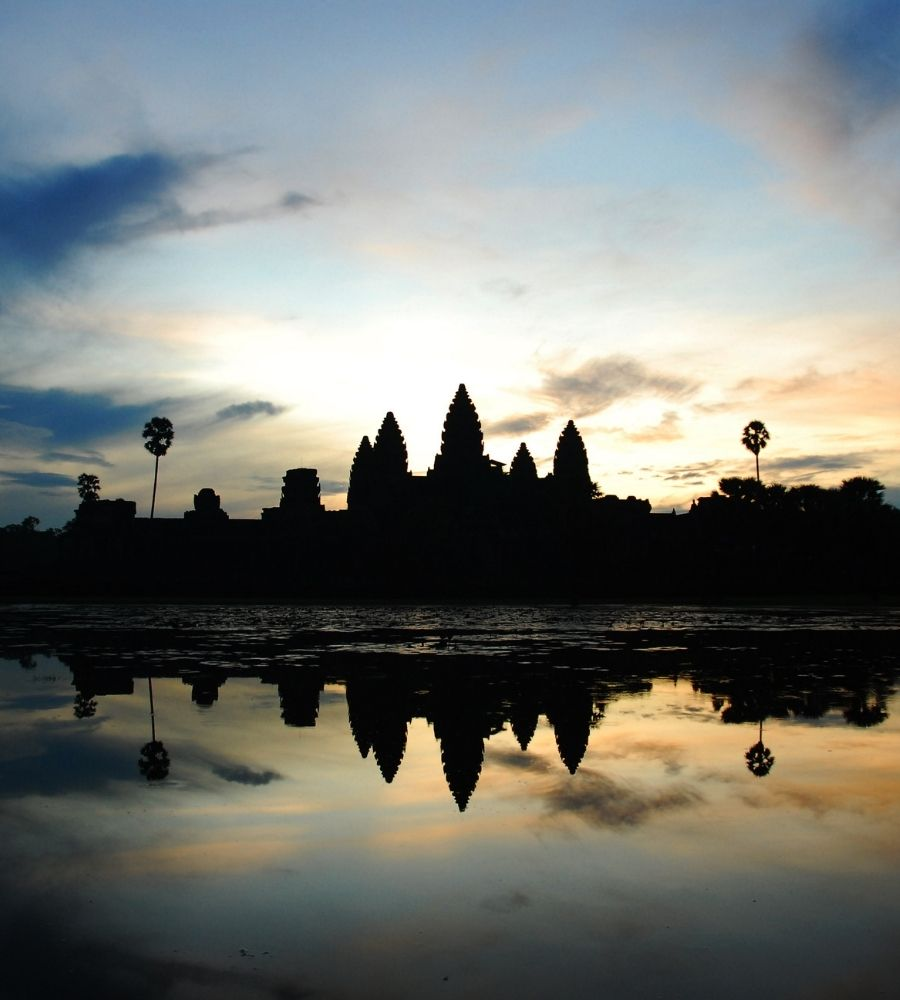
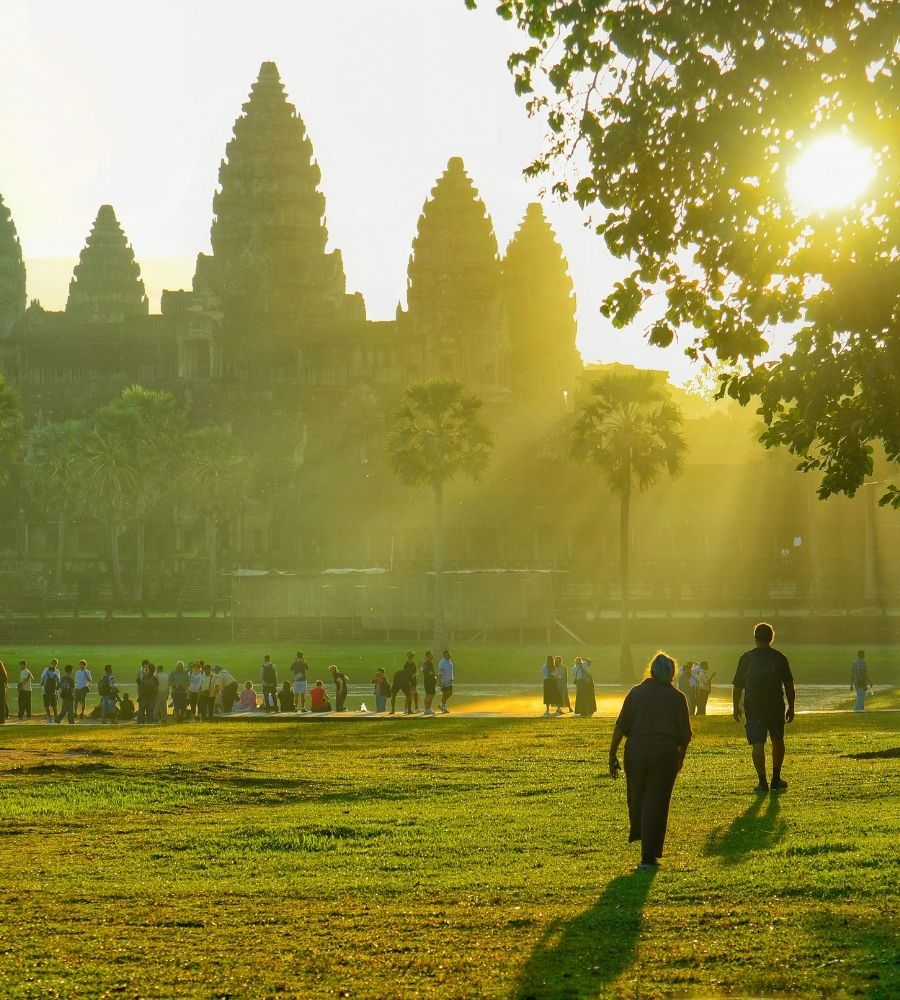
On a typical peak season morning between December and March, between 3,000 and 5,000 people are at the northern reflection pool before dawn. Everyone is taking the same photograph. The front row fills within minutes of the gates opening at 5am. If you are not there early and positioned, you are behind someone else’s tripod or selfie stick for the entire show. That is the honest version of the most famous sunrise in Southeast Asia.
It can still be worth it. The temple at dawn is genuinely extraordinary. But how you approach it determines whether you come away with a memory or a frustration.
Your Angkor Pass
You need one before you arrive at the gates. Buy it online at the official Angkor Enterprise portal. You get a soft copy on your phone, no queue, no time wasted in the dark at the ticket office.
- One-day pass: $37
- Three-day pass: $62
- Seven-day pass: $72
Children under 12 enter free with a passport. Multi-day passes do not need to be used on consecutive days.
Timing
Gates open at 5am. Be there at 5am. Sunrise ranges from around 5.30am in June to around 6.20am in January. Check the exact time for your date the evening before and be in position at least 30 minutes ahead of it.
The dry season, November to April, gives the clearest skies. The wet season brings cloud cover that can block the sunrise entirely, though some wet season mornings with partial cloud and colour in the sky are among the most dramatic. Check the forecast the night before. If it looks clear, go. If it looks heavily overcast, go anyway. You are already there, your pass is valid, and the temple before sunrise with almost no one around is worth the alarm on its own.
Where to Go
Northern reflection pool: The iconic spot. Five towers reflected in still water as the sky changes colour. Gets extremely crowded during peak season. If this is your goal, be at the gates at 5am and walk directly there without stopping. You will get a position. It will be packed. Twice a year, on around March 21 to 23 and September 21 to 23, the sun rises directly over the central tower. These dates draw the largest crowds of the year.
Southern reflection pool: Same view, significantly fewer people. The angle differs slightly but the photograph is still strong and the experience is considerably more pleasant. For most visitors this is the better choice.
The approach causeway before the moat: Almost nobody stops here. Standing on the causeway as the temple slowly emerges from darkness in front of you, the towers catching the first gold before any detail is visible, is a different and quieter experience than the pool. Repeat visitors and people who live here often prefer it.
Pre Rup: A 10th century temple-mountain about 15 minutes east of Angkor Wat. Open before dawn, receives a fraction of the main crowd, and offers 360-degree views across the jungle canopy. After sunrise walk directly to Ta Prohm or Banteay Kdei before the tour buses arrive at 8.30am. This is what people who have done it multiple times actually do.
Srah Srang: A royal bathing pool near Ta Prohm. Peaceful water reflections at dawn, almost no crowds, soft light. Ta Prohm is a short walk away.
After Sunrise
The hour between sunrise and 7.30am is the best time to be inside Angkor Wat. The crowds thin immediately after the main event. The bas-relief galleries, upper levels, and inner courtyards are quiet in a way they almost never are later in the day. Most people go back to their hotels for breakfast. Stay.
The big tour groups return from around 8.30am. Use the window before that.
Dress Code
Covered shoulders and knees are required at all entry points to every temple in the Angkor complex, at all times including before dawn. Guards will turn you away at the gate regardless of the time or the cost of your pass. Lightweight long trousers and a shirt with sleeves. No exceptions.
Getting There
About 6 kilometres north of central Siem Reap, around 20 minutes by tuk-tuk. Arrange your driver the evening before. Agree on a pickup time that gets you to the gates by 5am. Confirm whether they will wait and take you on to other temples afterward, and agree the full price before you leave.
What to Bring
A torch or headlamp. The grounds are dark and the paths are uneven. Insect repellent. Water. Your pass. A light layer for the pre-dawn cool. A charged camera or phone.