
What is Special About Siem Reap?
People who visit Siem Reap for the temples almost always leave saying the same thing: the temples were extraordinary, but the city surprised them. That surprise is what makes Siem Reap special.
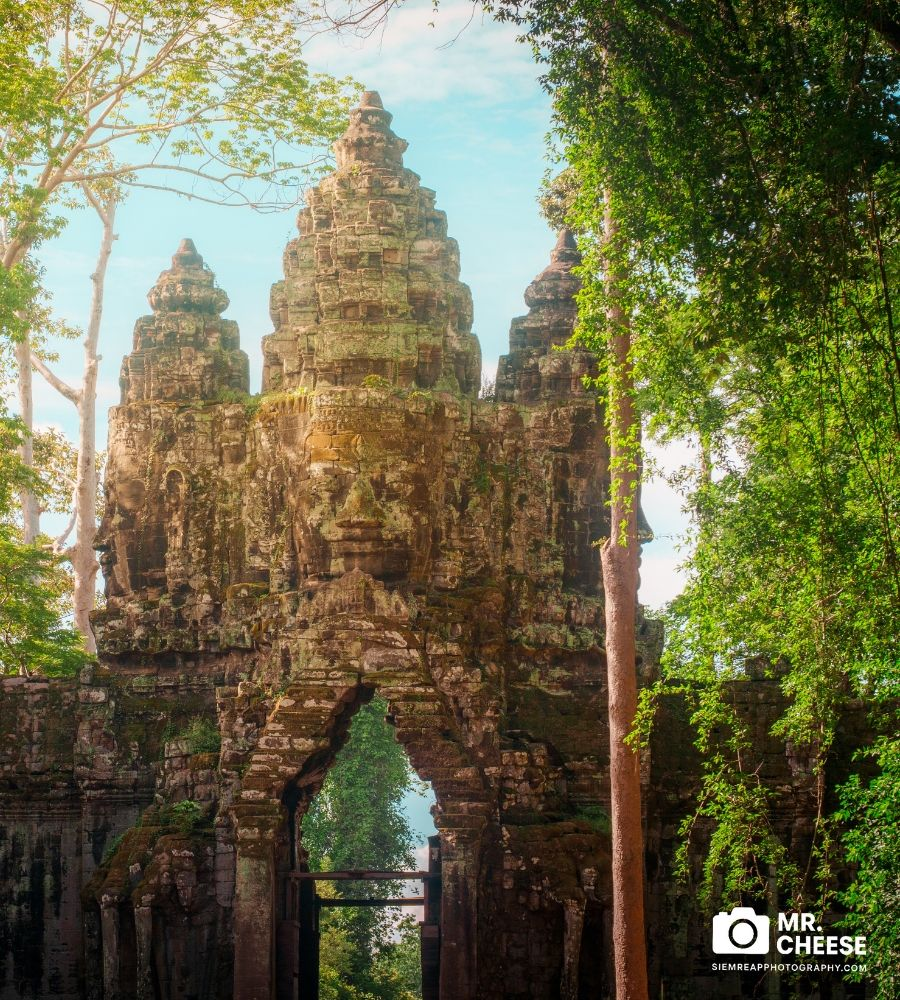
The obvious answer is Angkor. The Angkor Archaeological Park is the largest religious monument complex ever built, a UNESCO World Heritage Site covering 400 square kilometres, home to over 70 temple sites including Angkor Wat, the largest single religious structure in the world. Built between the 9th and 15th centuries by the Khmer Empire at the height of its power, these temples represent one of the great achievements of human civilisation. No photograph prepares you for the scale. No guidebook fully captures what it feels like to stand in front of them at dawn.
But Angkor is not all of it.
The Name
Siem Reap translates roughly as Defeat of Siam. According to oral tradition, King Ang Chan named the city after a decisive 16th century victory over a Siamese army sent to punish him for raiding Thai territory. Whether or not the etymology is accurate, historians debate it, the name has stuck for five centuries and says something about the city’s relationship with its own history. This is a place that knows where it came from.
The City
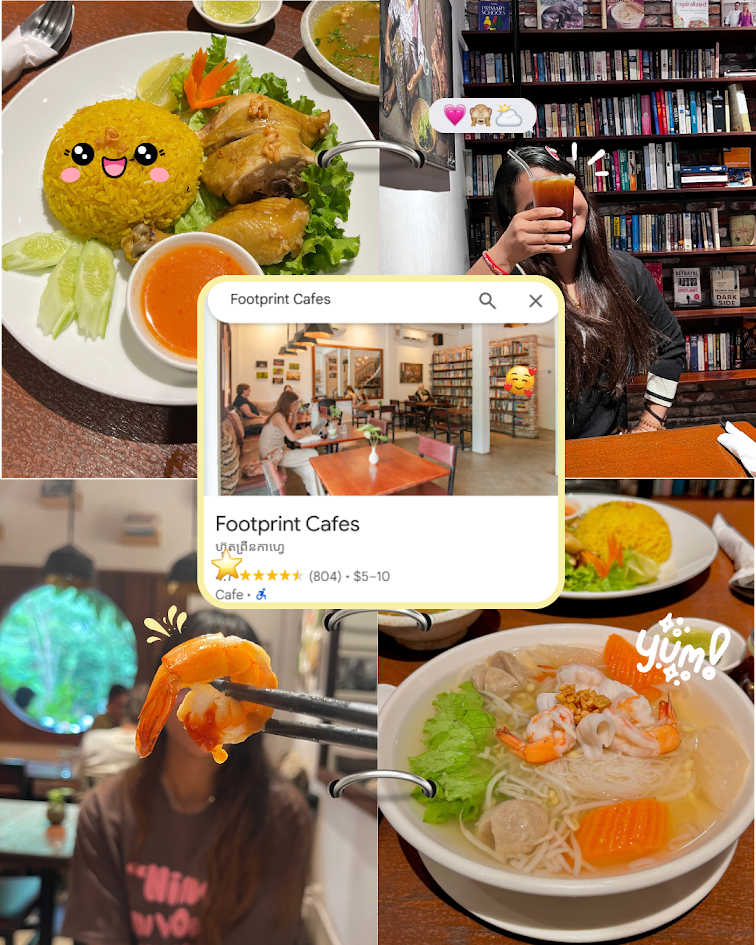
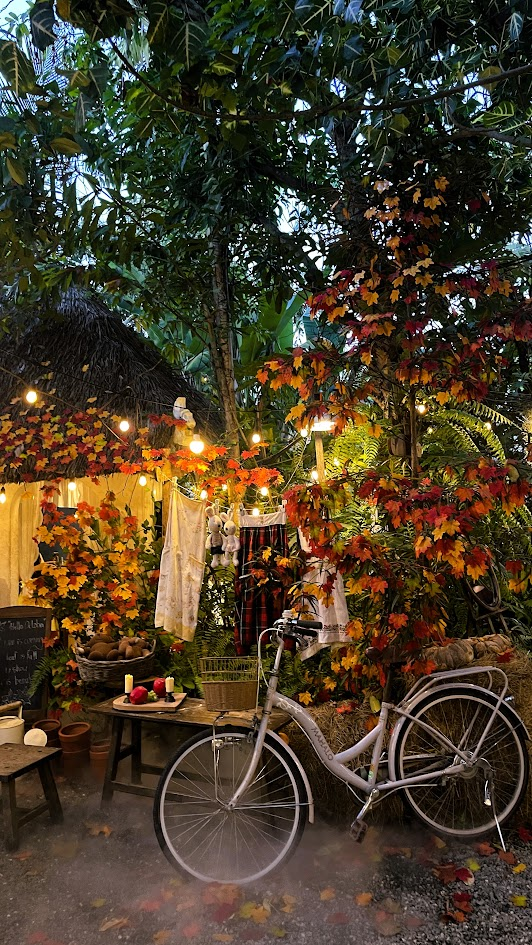
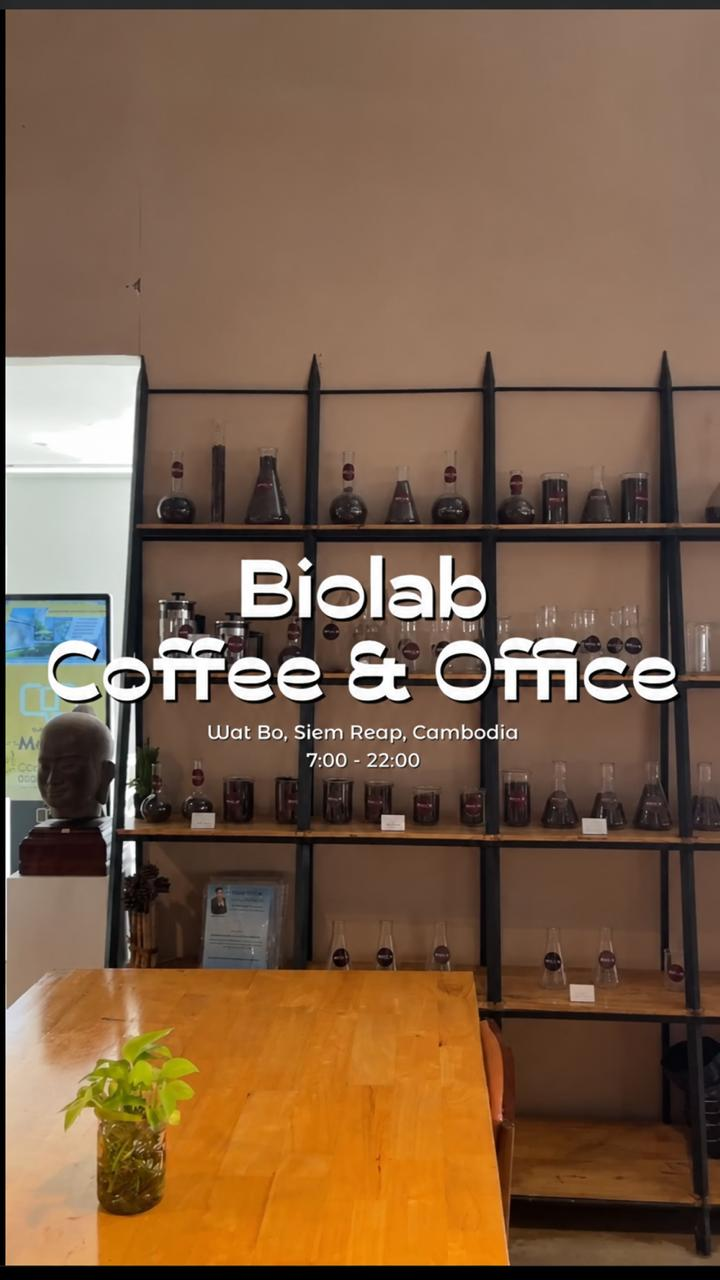
Siem Reap is Cambodia’s second largest city and was named ASEAN City of Culture for 2021 to 2022. It regularly appears in the top ten best destination lists from TripAdvisor, Wanderlust, and Travel and Leisure. It has a preserved French colonial quarter, a working local market at its centre, and a restaurant and bar scene that consistently surprises visitors expecting a simple temple town. The range of food, accommodation, art, and entertainment is genuinely impressive. You can eat exceptionally well for $3 or spend $30 at a restaurant that would hold its own in any major city. The gap between the two in terms of quality is smaller than you would expect. This is a city that has grown fast without losing its character, and that balance is increasingly rare in Southeast Asia.
The Tonle Sap
Fifteen kilometres south of the city lies the Tonle Sap, the largest freshwater lake in Southeast Asia and a UNESCO Biosphere Reserve. The lake doubles in size during the monsoon season, flooding the surrounding forest and sustaining one of the world’s most productive inland fisheries. The floating villages, the bird sanctuary at Prek Toal, and the flooded mangrove forest at Kampong Phluk offer a completely different dimension to the Siem Reap experience. Most visitors who make the trip describe it as one of the most memorable days of their time in Cambodia. It has nothing to do with temples and everything to do with understanding where you actually are.
The People
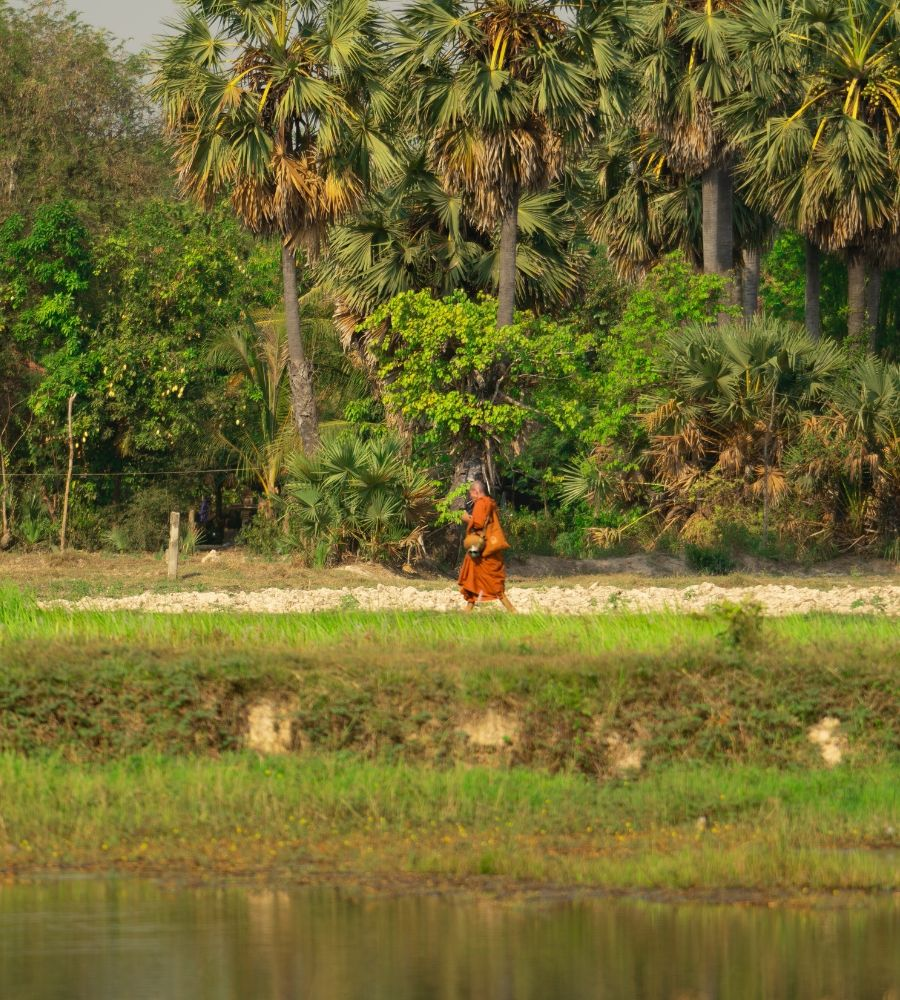
Every guide to Southeast Asia mentions the warmth of the people, but in Cambodia it carries a different weight. The country survived the Khmer Rouge, one of the most devastating genocides of the 20th century, losing an estimated quarter of its population between 1975 and 1979. The culture that emerged from that, the openness, the gentleness, the generosity toward strangers, is not incidental. It is the most frequently cited reason visitors say they want to return. You notice it in small things. The tuk-tuk driver who waits two hours without complaint. The restaurant owner who remembers your order from the day before. The monk who offers to show you around his temple. It accumulates.
The Value
A tuk-tuk across the city costs $2. A genuine Khmer massage by a skilled blind therapist costs $7. A bowl of the country’s most iconic breakfast noodle dish costs $1.50. The Angkor Pass gives you access to one of the most significant archaeological sites on earth for $37 a day. A private villa with a pool, a housekeeper, and a garden costs less per night than a mid-range hotel room in most Western cities. None of this means Siem Reap is cheap in any diminishing sense. It means that what you get for what you spend here is genuinely exceptional, and that the experience available to a visitor on a modest budget is not a lesser version of the one available to someone spending ten times as much.
The Food and Drink
Prahok, the fermented fish paste that underpins much of Khmer cooking, is made in villages around Siem Reap and is considered the finest in the country. The city’s street food scene is built on fresh produce from the surrounding countryside, extraordinary by regional standards and priced for locals rather than tourists. Sombai, a premium infused rice wine flavoured with mango, cinnamon, star anise, and chilli, is made here and has become one of the most distinctive local products in Cambodia. The workshop and tasting parlour are in the house of the artist Leang Seckon and worth visiting on their own terms.
The Region
The temples are the headline but they are not the whole story. Banteay Srei, with the finest stone carvings of the Angkor period, is 35 kilometres north. Beng Mealea, a jungle-consumed temple built to the same floor plan as Angkor Wat and almost entirely unrestored, is 65 kilometres east. Phnom Kulen, the sacred mountain where the Khmer Empire was born in 802 CE, is 48 kilometres away. Battambang, Cambodia’s most characterful provincial city, is three hours by road or a full day by slow boat across the Tonle Sap. The city sits at the centre of a region with more to offer than most visitors realise before they arrive.
That is what is special about Siem Reap. The temples bring you. Everything else makes you stay longer than you planned.