
What to Be Careful of in Siem Reap
Siem Reap is one of the safer cities in Southeast Asia for international visitors. Millions of tourists pass through every year without incident. The temple complex at Angkor is well-monitored, the town is easy to navigate, and violent crime against tourists is genuinely rare. We live here. This is not a disclaimer written from a desk somewhere. That said, nowhere is entirely risk-free, and being aware of the specific things worth watching for will make your trip considerably smoother.
The Thailand Border
This is the most significant safety update for 2025 and 2026. An ongoing territorial dispute between Cambodia and Thailand escalated into armed conflict in mid-2025. All land border crossings between the two countries have been closed. The US State Department has issued a Level 4 Do Not Travel warning for areas within 50 kilometres of the Thai-Cambodian border, covering Preah Vihear, Oddar Meanchey, Banteay Meanchey, and parts of Battambang province.
This does not affect Siem Reap city or Angkor Wat, which remain at standard caution levels. If you are flying in from outside the region your trip is unaffected. If you were planning to travel overland between Thailand and Cambodia, fly instead. Bangkok to Siem Reap flights are operating normally. Do not attempt to cross by land until the situation is fully resolved.
Petty Theft
The most common issue tourists face in Siem Reap is opportunistic theft. Bag snatching from moving motorbikes does occur, particularly in areas where bags or phones are visible from the road. Keep your bag on the inside when walking near traffic. Do not leave valuables visible in tuk-tuks. Use your hotel safe for your passport, extra cash, and any electronics you do not need for the day. Carry only what you need.
Be especially alert during major Khmer festivals including Khmer New Year in April and Pchum Ben in October or November. The rate of opportunistic theft tends to increase around these periods.
Scams
The most common scams in Siem Reap are low-level and easy to avoid once you know what to look for.
Tuk-tuk drivers sometimes offer tours or transport at prices that seem unusually low because they are. The driver earns commission from shops or restaurants he takes you to. Use PassApp for reliable fixed-price rides within the city.
Fake Angkor tickets are occasionally sold near the temple complex. Buy your pass online at the official Angkor Enterprise portal or at the ticket office on Road 60. Do not buy from anyone else.
Commission-based recommendations are common. A driver or guesthouse staff recommending a specific restaurant, tour operator, or shop is often receiving a kickback. Ask for recommendations from multiple sources before committing.
Traffic and Roads
Traffic accidents kill more tourists in Cambodia than crime does. The roads follow informal rules that are not obvious to first-time visitors. Vehicles do not always stop for pedestrians. At intersections and roundabouts, size generally determines right of way. Crossing roads requires patience and a calm pace rather than rushing.
If you are renting a scooter, wear a helmet, ride slowly, and do not ride at night if you are not experienced with local traffic conditions. If you are cycling, treat yourself as the lowest priority on the road and ride accordingly.
Heat and Dehydration
The most common health complaint among visitors is dehydration. Temperatures regularly reach 35 to 38 degrees between March and June. When you are walking stone temple complexes in direct sun for hours this becomes serious quickly. Drink bottled water constantly. It is available everywhere and costs almost nothing. Bring electrolyte sachets if you are prone to fatigue or cramps in the heat.
Mosquitoes and Dengue
Malaria risk in Siem Reap city is very low and you do not need antimalarial medication for a standard visit. Dengue fever is present in the region and worth taking seriously. Mosquitoes here, particularly the tiger mosquito active during daylight hours, bite harder and more persistently than most visitors expect. Use repellent, wear light long sleeves in the evenings, and pay attention if you develop a high fever within two weeks of returning home.
Food and Water
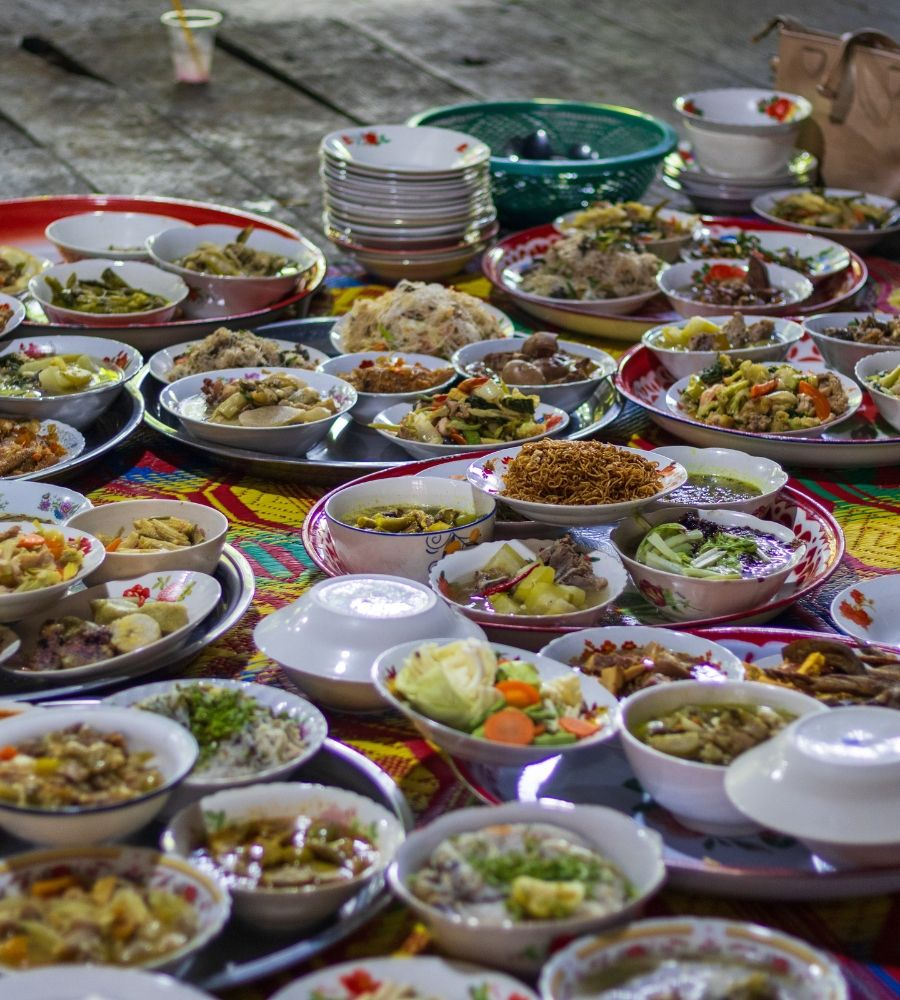
Do not drink tap water. Bottled water is widely available and inexpensive. Ice in restaurants and bars in the tourist areas is generally made from purified water and is fine. Ice from unknown sources in remote areas is more of a risk. Street food in Siem Reap is generally safe. Apply common sense: look for stalls with high turnover, food cooked to order, and a local crowd. Avoid anything that has been sitting in the heat for extended periods.
Drugs
Cannabis is widely available. So-called happy menus exist at some restaurants. Cambodian drug laws are serious, enforcement is unpredictable, and foreign nationals have been arrested and imprisoned. Not worth it.
Medical Care
The Royal Angkor International Hospital, run by Bangkok Hospital, is the best option for a medical emergency in Siem Reap. U-Care Pharmacy has two central locations near the Old Market and on Sivatha Boulevard and is well-stocked and reliable for minor ailments. Travel insurance with emergency evacuation coverage is essential. In the event of a serious illness or accident, evacuation to Bangkok is the recommended course of action, where international-standard hospitals are easily accessible.
Emergency Numbers
Tourist Police: 012 402 424 Royal Angkor International Hospital: 063 761 888 Fire Department: 012 78 44 64 U-Care Pharmacy Old Market: 095 888 562